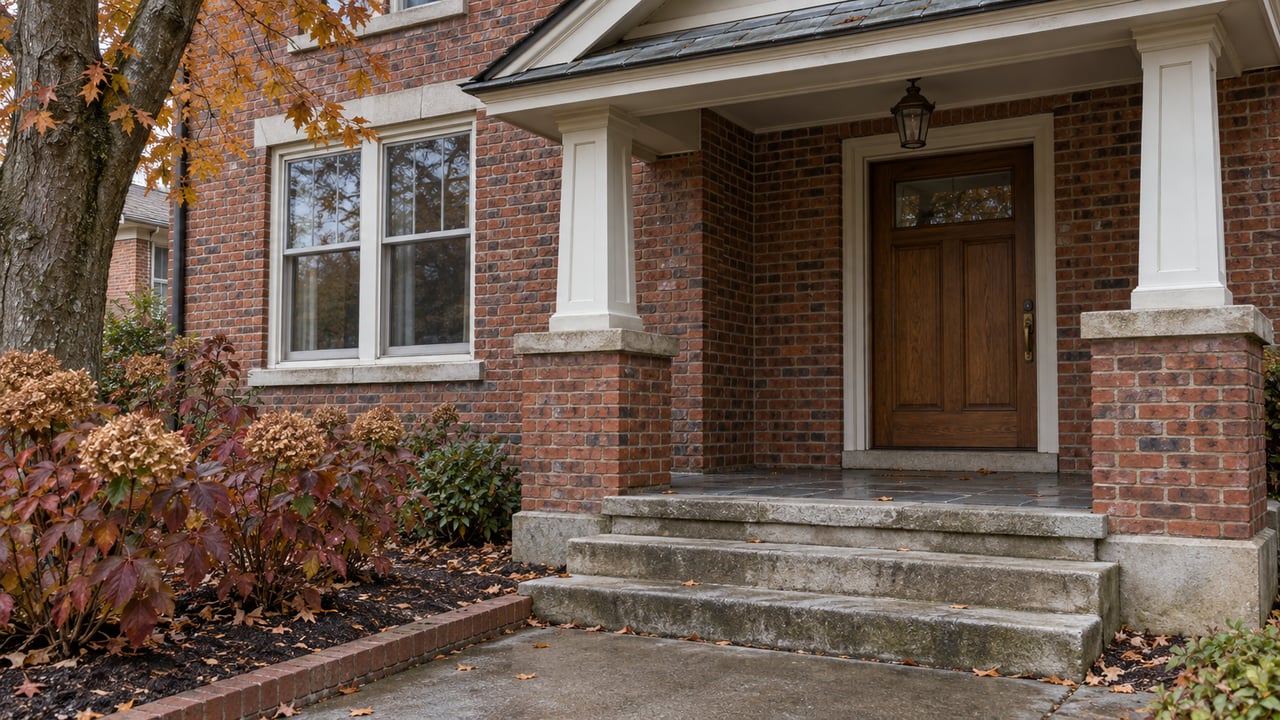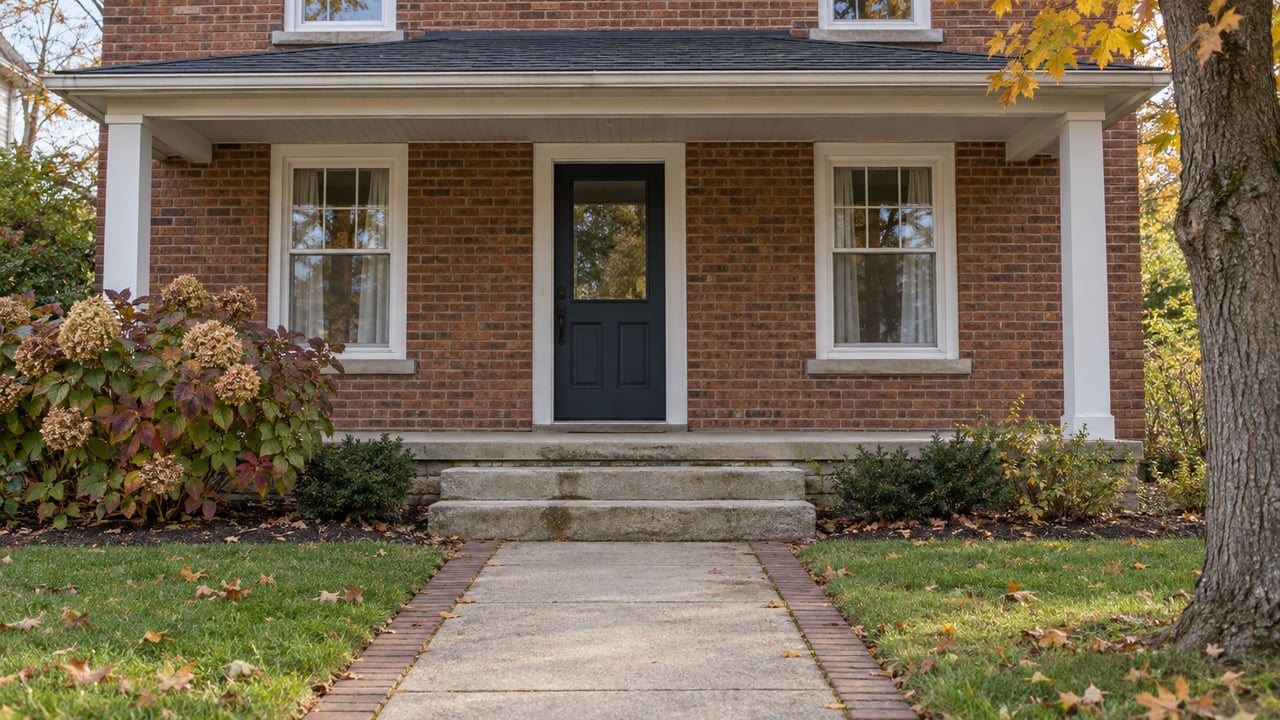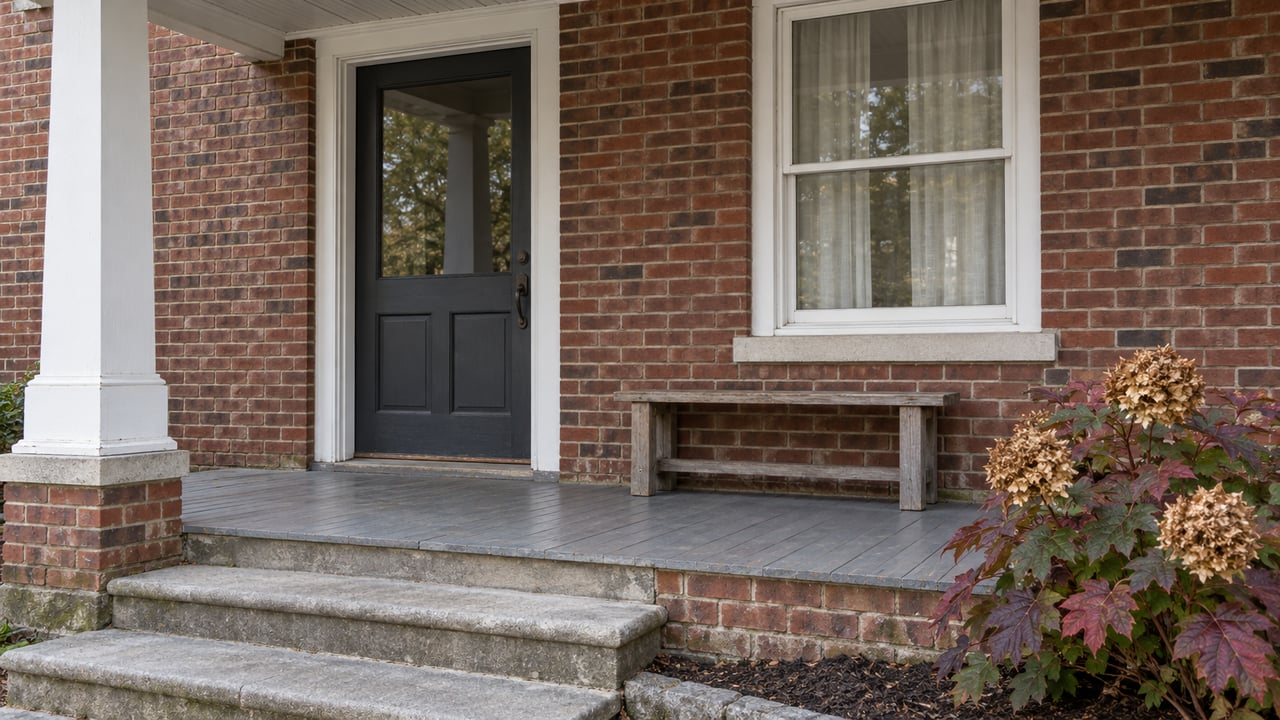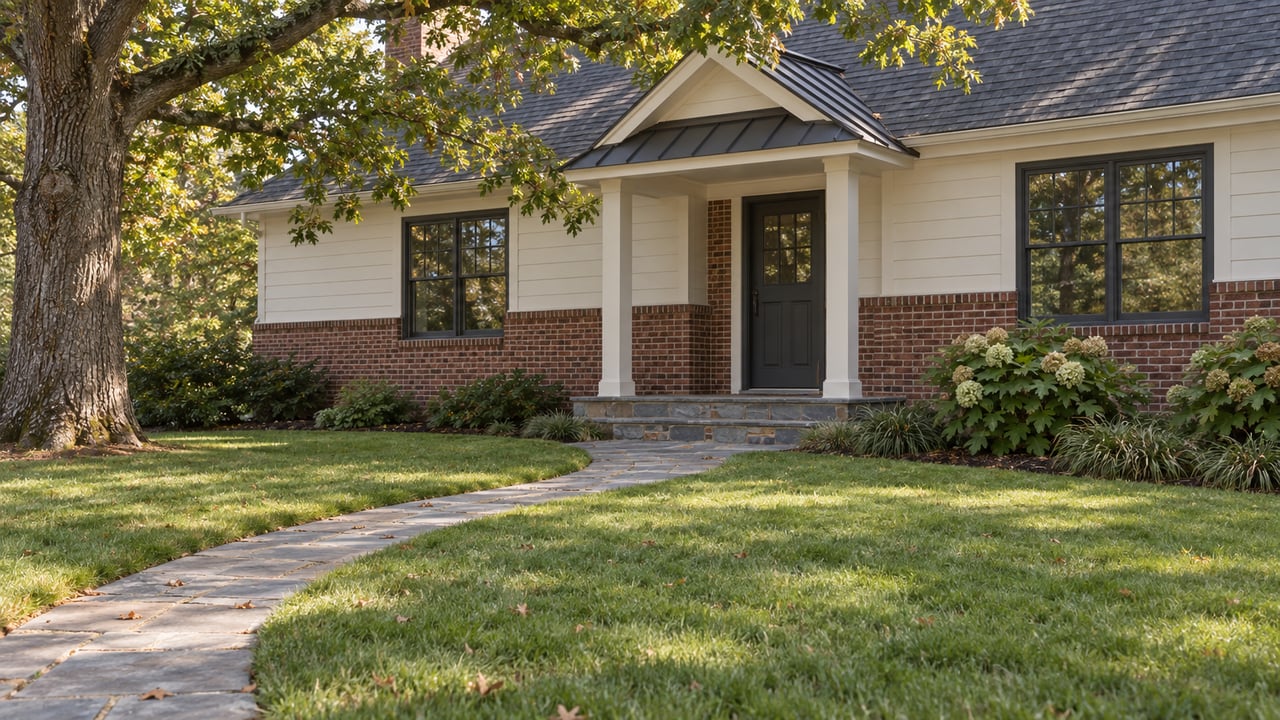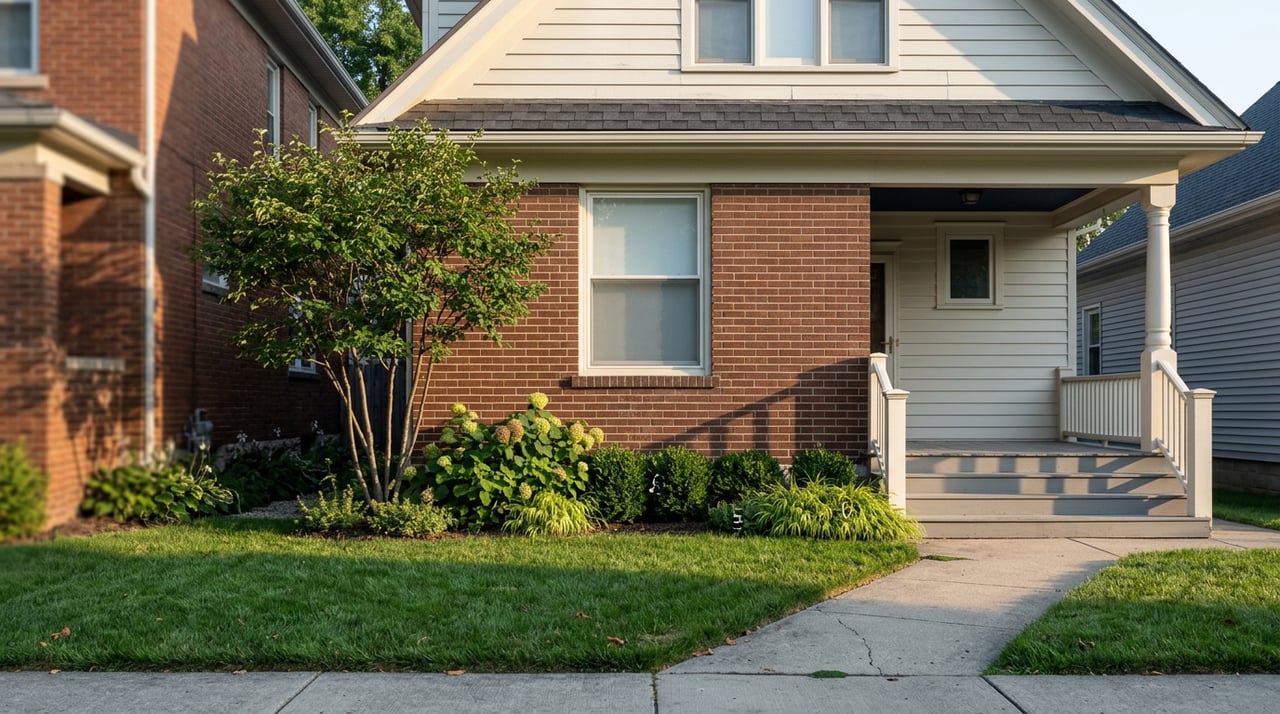
Two homes a short walk from Frick Park, both inside what every listing calls Regent Square, closed on the exact same day in June 2026. One sold for $716,500. The other sold for $200,000. Same neighborhood name. Same walkable, porch-lined blocks the area is known for. Wildly different math.
The gap isn't really about square footage, though square footage plays a role. It's about something a portal search never shows you: which government actually owns the block your future front porch sits on. Regent Square looks like a single, coherent place. On paper, it's four of them.
The Border You Can't See in a Listing Photo
Wikipedia describes Regent Square as spanning the City of Pittsburgh, Edgewood, Swissvale, and Wilkinsburg. South Braddock Avenue, the street that carries the neighborhood's entire business district, doesn't just run through Regent Square. The neighborhood also splits across two zip codes, 15218 and 15221, and the split doesn't track cleanly with any single border you'd expect.
That means a buyer touring three houses on three consecutive blocks could be touring three different tax jurisdictions without a single visual cue to tell them apart. The brick, the porches, the century-old build quality carry through. The government does not.
Same County Rate, Different Everything Else
Every property in Regent Square pays into the same Allegheny County tax pool, and that county layer is uniform no matter which side of Braddock you land on. Wilkinsburg Borough lists it at 6.43 mills on its own tax page, and that figure applies whether your mail comes addressed to Pittsburgh, Edgewood, Swissvale, or Wilkinsburg. So the county line isn't where the real difference shows up. The difference lives in the other two layers: the municipal rate and the school rate.
Here's roughly what that stack looks like as of mid-2026, based on published borough and county documentation:
| Jurisdiction | Municipal Millage | School District |
|---|---|---|
| Edgewood Borough | 7.185 mills (per Swissvale Borough) | Woodland Hills |
| Swissvale Borough | 8.0 mills | Woodland Hills |
| Wilkinsburg Borough | 14.0 mills (plus a separate school rate near 27.6 mills for 2025-2026, per Allegheny County Treasurer) | Wilkinsburg Borough School District |
| City of Pittsburgh | Combined into one city bill alongside county, parks, and library millage (per LiveDosh) | Pittsburgh Public Schools |
The City of Pittsburgh doesn't fit neatly into a single municipal-millage line item the way the boroughs do. Pittsburgh bundles county, city, parks, library, and school taxes into one bill.
A 1918 Vote Still Shaping Your Closing Costs
This split isn't an accident of modern zoning. It's over a century old. Patch reported that Regent Square residents grew frustrated with a Swissvale personal tax they considered too high and petitioned twice in the 1910s to be annexed into Edgewood, then attempted annexation into the City of Pittsburgh itself. That final vote failed at the ballot box in March 1918, 266 in favor and 843 against, and the fractured map that resulted has never been redrawn since.
Every buyer standing in a Regent Square kitchen today is standing inside the outcome of that vote. The neighborhood never consolidated into one government because its own residents, more than a hundred years ago, chose not to.
What the 2026 Numbers Actually Show
Pull the market data and the municipal patchwork starts to explain more than trivia. Over the three months ending in May 2026, Regent Square's median sale price sat at $385,000, down 2.6 percent from the same period the year before, according to Redfin's neighborhood tracker. Homes were also moving faster, closing in an average of 29 days compared to 43 days the prior year. By June 2026, the median list price had climbed to $497,000 at roughly $284 per square foot, with homes spending a median of just 12 days on the market before going under contract, per Movoto's tracking for that month.
Those headline numbers sit against a citywide backdrop where the average Pittsburgh home was taking longer to sell in 2026, not less, with average days on market stretching to around 103 from roughly 96 the year before as inventory loosened and buyers gained a bit more negotiating room. Regent Square, alongside Squirrel Hill North and Point Breeze, was called out as one of the pockets bucking that citywide cooling, continuing to sell ahead of the broader market pace.
Layer the actual June 2026 closed sales on top and the spread becomes obvious. On June 22, 2026 alone, a six-bedroom, 2,531-square-foot home on Monongahela Avenue closed at $200,000 while a five-bedroom, 2,906-square-foot home on West Hutchinson Avenue closed the same day at $716,500. Elsewhere that month, a six-bed, six-bath property on South Braddock Avenue sold for $685,000 on June 1, and smaller three-bedroom homes on Windermere Drive and Celeron Street closed at $449,600 and $414,237 within the same three-week span. Condition, lot size, and unit count explain part of that range. The rest is harder to see from a listing photo: two buyers shopping under the same neighborhood name may be comparing homes across three different tax regimes and two different zip codes, without any visual cue to tell them apart.
The Shared Sidewalk, the Separate Governments
Walk South Braddock Avenue and none of this is visible. The strip functions as one unified business district: Istanbul Grille and El Burro for quick weeknight dinners, D's Six Pax and Dogz for the beer selection, 61B Cafe and Madeleine Bakery and Bistro for the morning routine, Thai Cottage for a sit-down meal, and the Regent Square Theatre anchoring the block as one of the region's last true single-screen art houses. A few minutes' walk puts you inside Frick Park's 644 acres, with trails and a dog park that don't care which municipality issued your property tax bill.
That shared identity is real, and it's a big part of why buyers are drawn here in the first place. It's also exactly why the municipal split catches people off guard. The neighborhood feels like one place because socially and commercially, it is one place. Financially, it's four.
Before You Write an Offer
A handful of checks turn this from a surprise at closing into a known variable before you make an offer:
- Confirm the exact municipality on the Allegheny County property records site, not just the neighborhood name on the listing.
- Ask which school district serves that specific address: Pittsburgh Public Schools, Woodland Hills, or Wilkinsburg Borough School District.
- Request the full millage stack for that parcel: county, municipal, and school, added together, not estimated from a neighboring block.
- Ask about the realty transfer tax split for that jurisdiction. It's customarily split between buyer and seller.
- Confirm who actually provides trash, water, and sewer service for that address. It changes depending on which side of the line you're on.
None of this shows up in a listing photo. All of it shows up on your first tax bill.
A Few Questions Worth Asking Directly
Does my mortgage lender care which municipality I'm in? Your lender cares about your total escrowed tax burden, which is exactly why the municipal and school millage matter before you're locked into a purchase price. A higher combined rate raises your monthly payment even if your interest rate and loan amount stay the same.
Will my address change if the neighborhood boundary is contested? No. Municipal boundaries here are fixed and long-settled, dating back over a century. Your address, tax bill, and service providers are determined by your parcel's location today, not by which name appears in a real estate listing.
Is one side of Regent Square objectively the better buy? That depends entirely on your own priorities around tax structure, income type, and long-term plans, not on any inherent quality difference between the municipalities. A retiree and a dual-income household can reasonably reach opposite conclusions on the identical two houses.
Regent Square rewards buyers who do their homework block by block, not neighborhood by name. If you're comparing addresses here and want the actual tax math run side by side before you write an offer, The Kate White Team can pull the municipal and school breakdown for any address you're considering and walk you through what it means for your monthly payment, not just your purchase price.
This article is general information, not legal, tax or financial advice. Consult a qualified professional about your situation.