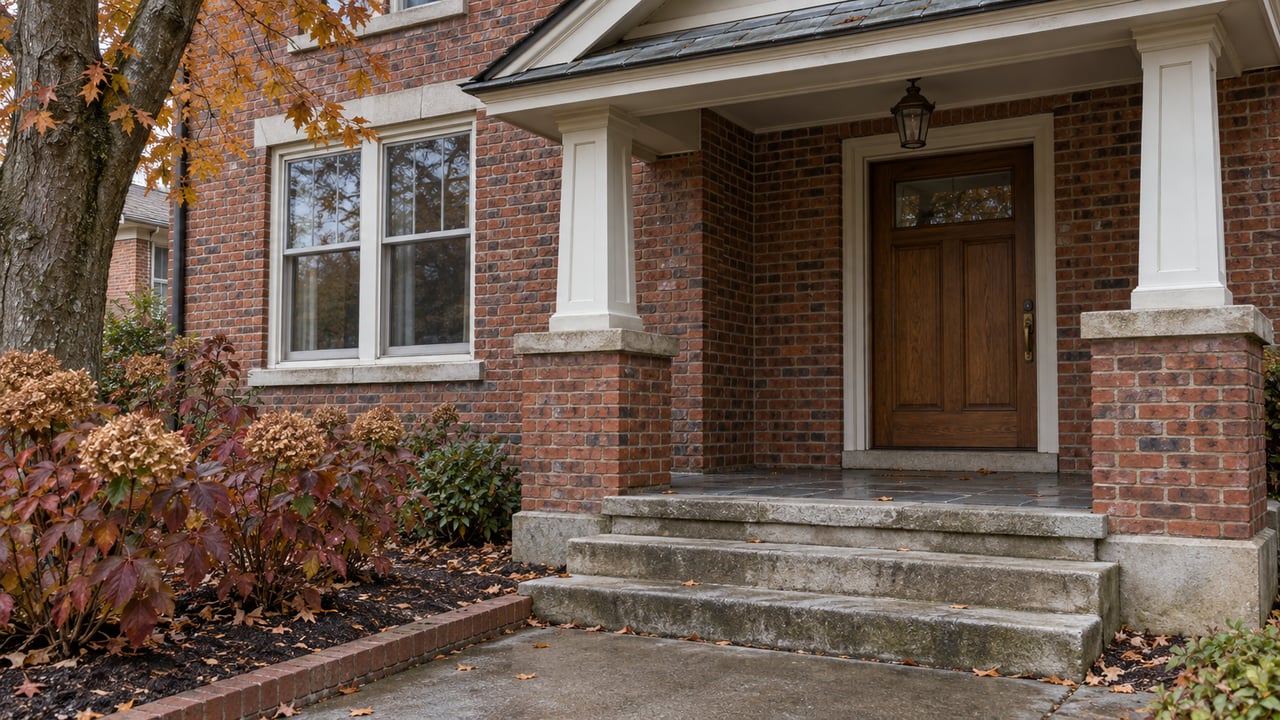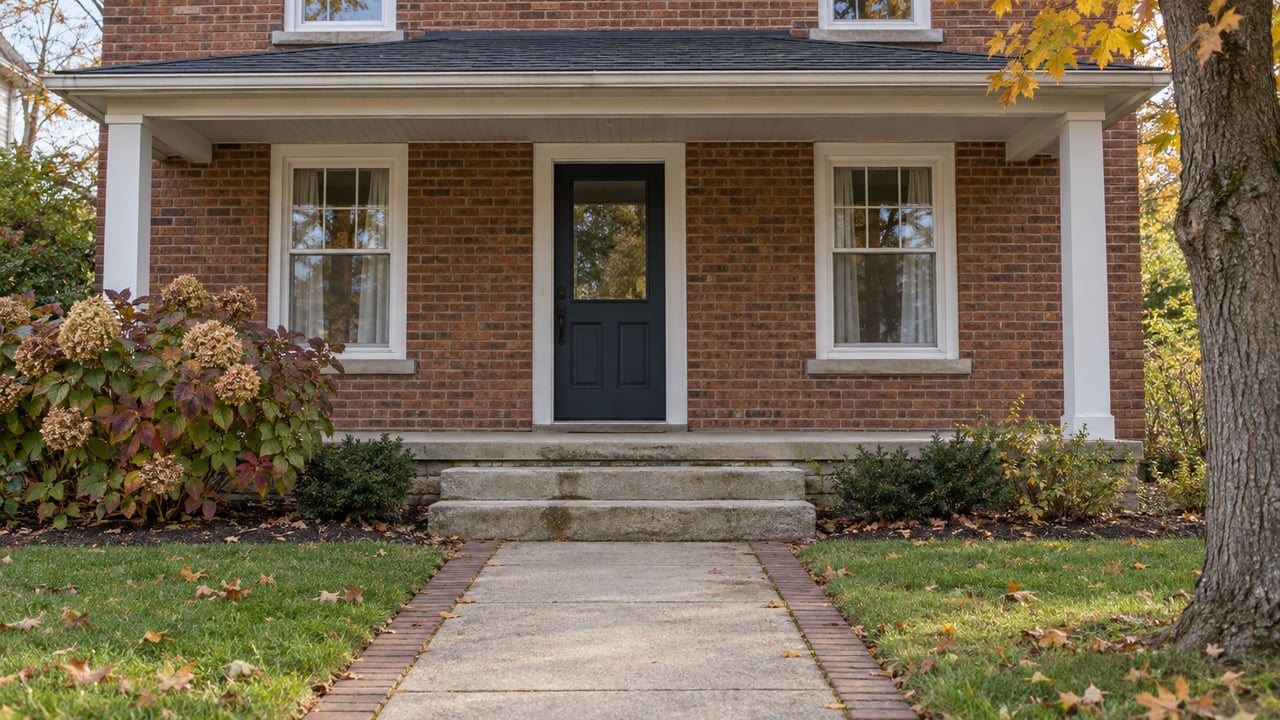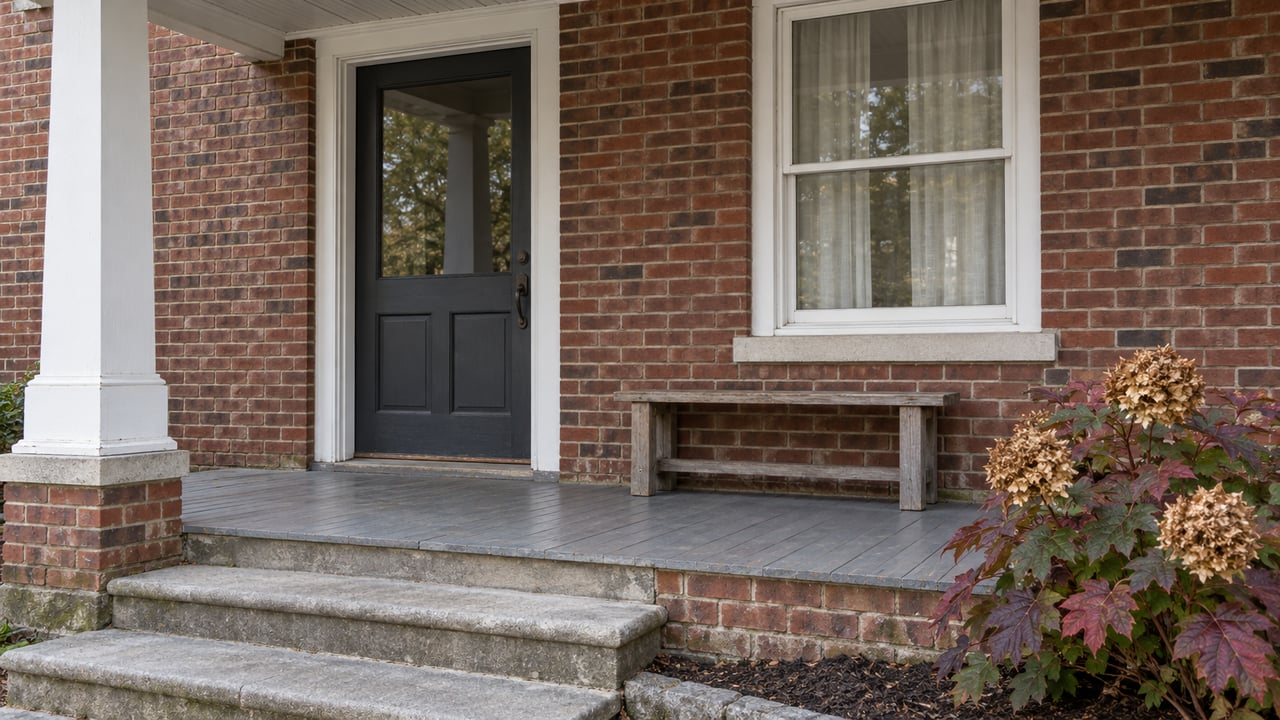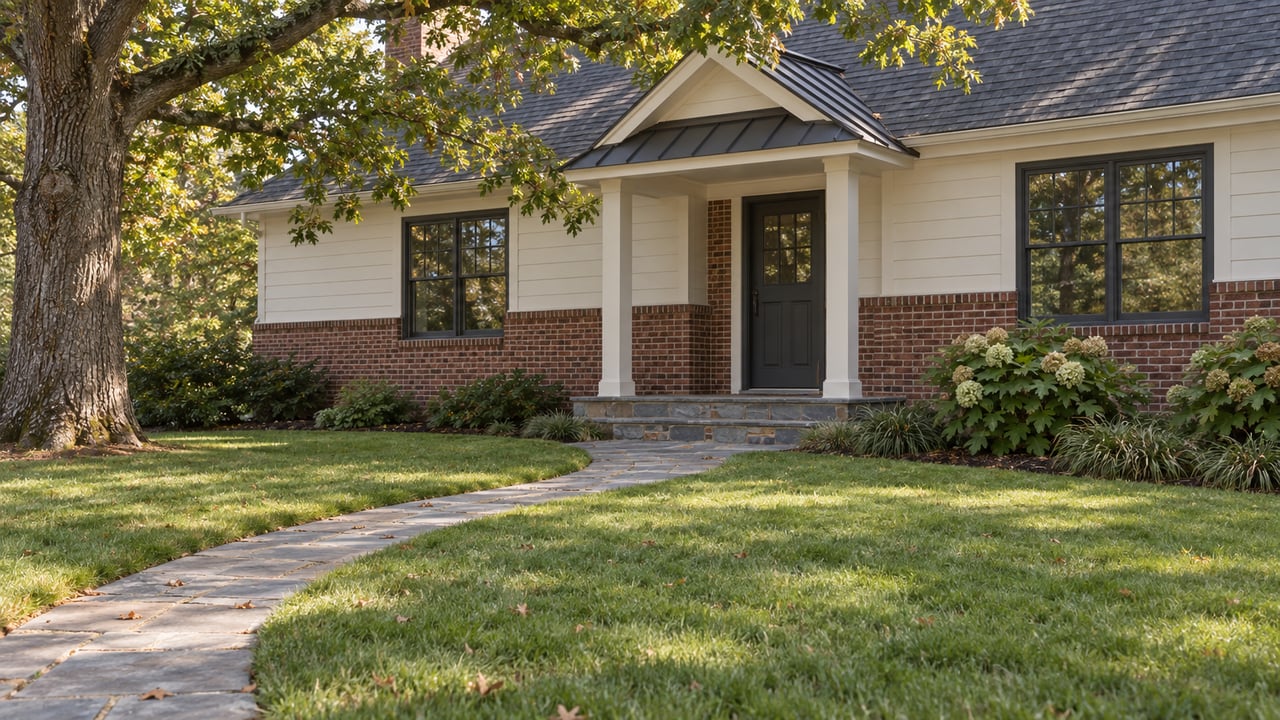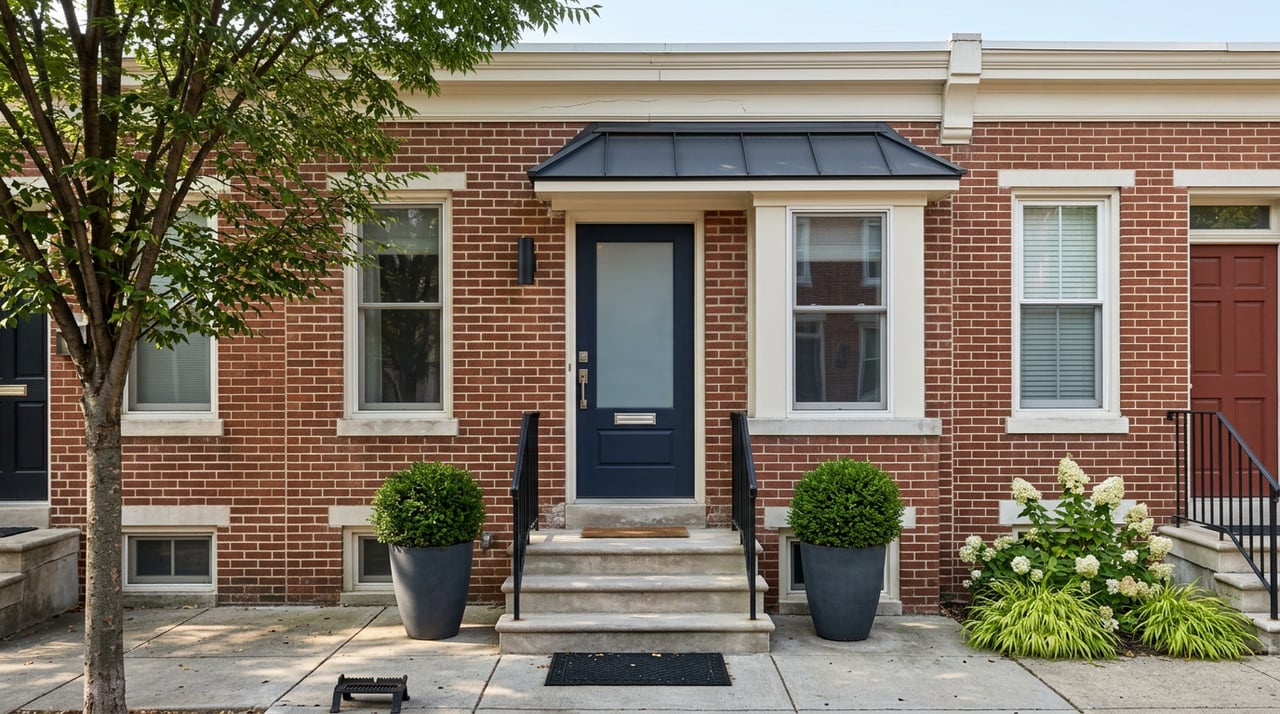
Thinking about buying a rental in Central Lawrenceville? You are not alone. The neighborhood’s walkable Butler Street, quick access to Downtown and Oakland, and lively food and arts scene keep renters interested year after year. In this guide, you will see what properties cost, what they can rent for, how the numbers pencil at today’s rates, and what risks to plan for. You will also get a simple checklist to evaluate a deal with confidence. Let’s dive in.
Why investors like Central Lawrenceville
Central Lawrenceville draws steady renter interest for practical reasons. You can walk to Butler Street retail and restaurants, reach major job centers in minutes, and tap into a strong community fabric. The local community plan highlights that energy and notes active planning conversations that shape housing, preservation, and business districts. If you care about neighborhood context, review the Lawrenceville Community Plan.
Rents sit in a healthy band for 1 to 2 bedroom homes. Recent rental research shows typical 1 bedroom asking rents in the neighborhood around 1,800 to 1,950 dollars and many 2 bedrooms around 2,100 to 2,350 dollars. The median across all unit types recently hovered near 1,912 dollars, based on local listings data. You can scan live comparables on Zumper’s Central Lawrenceville rent research when you underwrite.
At the metro level, conditions eased from the hyper-tight years of 2021 to 2022. In the Pittsburgh market, HUD’s latest analysis estimated an overall rental vacancy near 8.6 percent and a market-rate apartment vacancy near 6.5 percent in early 2024, while professionally managed single-family rentals averaged much lower vacancies. That metro view is broad, so you still want block-level checks in Lawrenceville, but it helps frame risk. See the HUD Comprehensive Housing Market Analysis for Pittsburgh for context.
What properties cost today
Recent sales for investor-size homes in Central Lawrenceville range widely by block, condition, and unit count. Two to four unit buildings and renovated rowhouses have traded from roughly 250,000 dollars to 650,000 dollars and higher. Example transactions over 2024 to 2026 show duplexes in the low to mid 400,000s, with some smaller or heavier-rehab opportunities under 300,000 dollars.
For a quick neighborhood lens, many single rowhouses and small multis price around the low to mid 400,000s in early 2026. Some automated home value indexes that use different methods show lower figures for the same area. Vendor boundaries and sampling windows differ, so your best move is to pull three to five very close sold comps from the last 6 to 12 months and cross-check with current rental comps on the same blocks. Hyperlocal comps will make or break your pro forma.
Will it cash flow in 2026?
Interest rates are the biggest lever. A practical baseline for purchase underwriting is the Freddie Mac weekly survey, which has hovered near 6.0 percent for a 30 year fixed mortgage in late February and March 2026. Use the Freddie Mac PMMS as your rate reference and adjust for your credit profile and lender terms.
Here are three simple illustrations using common investor rules. Each assumes a 30 year fixed at 6.0 percent, 25 percent down, a 5 percent vacancy allowance, and the 50 percent rule for operating expenses. The 50 percent rule is a screening shortcut many small rental owners use before building a detailed budget. You can read more about that rule on Landlord Studio’s overview.
Scenario A: Turnkey rowhouse, likely negative cash flow
- Purchase price: 425,000 dollars. Down payment: 25 percent. Closing costs: about 2 percent. Light rehab: 40,000 dollars.
- Total cash in: about 154,750 dollars.
- Rent: 2,200 dollars per month. Gross rent: 26,400 dollars per year.
- Effective gross after vacancy: 25,080 dollars. Operating expenses at 50 percent: about 12,540 dollars. NOI: about 12,540 dollars.
- Debt service: about 22,933 dollars per year.
- Estimated annual cash flow: about negative 10,393 dollars. Cash-on-cash: about negative 6.7 percent.
- Read: At a median-like price with today’s rates, a turnkey rowhouse will often not cash flow without a better basis or strong rent growth.
Scenario B: Duplex, closer to break-even
- Purchase price: 475,000 dollars. Down payment: 25 percent. Closing costs: about 2 percent. Rehab: 30,000 dollars.
- Total cash in: about 158,250 dollars.
- Rents: 1,800 dollars and 2,100 dollars per month. Gross rent: 46,800 dollars per year.
- Effective gross after vacancy: 44,460 dollars. Operating expenses at 50 percent: 22,230 dollars. NOI: about 22,230 dollars.
- Debt service: about 25,631 dollars per year.
- Estimated annual cash flow: about negative 3,401 dollars. Cash-on-cash: about negative 2.2 percent.
- Read: You are near the line. A better purchase price, a larger down payment, or slightly higher net rents could flip this to positive.
Scenario C: Value-add or lower entry price, positive cash flow
- Purchase price: 300,000 dollars. Down payment: 25 percent. Closing costs: about 2 percent. Rehab: 20,000 dollars.
- Total cash in: about 101,000 dollars.
- Rents: combined 4,000 dollars per month. Gross rent: 48,000 dollars per year.
- Effective gross after vacancy: 45,600 dollars. Operating expenses at 50 percent: 22,800 dollars. NOI: about 22,800 dollars.
- Debt service: about 16,188 dollars per year.
- Estimated annual cash flow: about 6,612 dollars. Cash-on-cash: about 6.6 percent.
- Read: A lower basis or successful value-add can produce solid cash returns. These opportunities are rarer and require on-the-ground knowledge, careful inspections, and accurate rehab budgets.
The takeaway: at current rates, many leveraged buys in Central Lawrenceville will be thin or negative on day one unless you buy below market, bring more equity, or execute a tight renovation that adds real rent. If your plan is a five-year hold with principal paydown and measured rent growth, you can still reach your goals, but the buy box must be strict.
Renovation realities in Lawrenceville
Most Lawrenceville properties are older rowhouses. That charm comes with common issues. During inspection, budget time and money for masonry and tuckpointing, roof condition, older windows, legacy boilers or steam heat, and outdated electrical such as knob-and-tube. Many basements are small and can be damp. If the home predates 1978, plan for lead paint or asbestos in finishes and set a safe, compliant scope.
The neighborhood plan notes a mix of fully rehabilitated homes and smaller alley houses that often show deferred maintenance. If you want a fast local overview of housing character and resources, review the Lawrenceville Community Plan.
For rough budgets, use wide ranges until you have contractor bids:
- Light cosmetic work: about 15 to 30 dollars per square foot.
- Moderate rehab: about 30 to 75 dollars per square foot.
- Heavy systems or structural work: about 60 to 150 dollars or more per square foot.
These are national to regional benchmarks. Always get local bids from two to three licensed contractors. For a handy reference on cost ranges, see HomeGuide’s renovation cost guide.
Historic context matters too. Parts of Lawrenceville have historic listings. Big exterior changes may need review and specific materials, which can add time and cost. Confirm parcel status before you plan windows, facade work, or storefront changes.
Taxes, insurance, and underwriting basics
Property taxes are a major line item in Allegheny County. Recent reporting shows that the combined city, school, and county millages often create an effective levy in the mid 20 mills range. In plain language, many properties see taxes near 2.5 to 2.8 percent of assessed value before exemptions. Always pull the parcel’s assessed value and current-year millages to calculate the bill. For a useful primer, see this WESA overview of Pittsburgh property taxes.
Insurance for rental dwellings varies by structure value and coverage. A common range for a single-family rental policy is about 800 to 3,000 dollars per year. Add an umbrella policy for liability where appropriate. For a quick orientation, review The Hartford’s guide to rental property insurance.
When you screen deals, the 50 percent rule is a useful first pass for operating expenses. It assumes half of your gross rents will go to taxes, insurance, repairs, management, utilities you cover, and reserves. It is not a substitute for a full budget, but it helps you avoid rosy math. Read more in this 50 percent rule explainer.
Financing terms differ for investor versus owner-occupied properties. True non owner occupied loans often require 15 to 25 percent down for single-unit rentals and 25 percent or more for two to four units. Owner-occupied two to four units can qualify for lower down payments under recent guideline updates. For a clear summary of conventional multifamily options, see this overview of conventional 2 to 4 unit financing.
Key risks to underwrite
- Purchase price versus rent. High entry prices can mean thin or negative cash flow at today’s rates, even with solid occupancy.
- Rate volatility. Interest rates drive debt service and refinance risk. Stress test your deal with a higher rate cushion.
- Renovation unknowns. Older rowhouses can hide water, structural, or environmental surprises. Build a 10 to 20 percent contingency.
- Policy and permitting. Inclusionary zoning, historic review, and permitting timelines can affect plan, cost, and timing. Review the city’s recent enhanced inclusionary zoning presentation for local policy context.
Step-by-step: How to vet a deal
- Pull three to five sold comps from the last 6 to 12 months on the same or nearby blocks. Then pull three to five current rental comps that match beds, baths, and condition. A quick scan of Zumper’s Central Lawrenceville rent research can help you bracket rents before touring.
- Order a full home inspection. Add focused checks for roof, masonry, mechanicals, and moisture. If pre 1978, plan for lead paint and potential asbestos abatement.
- Get two to three bids from local general contractors for your likely scope. Include a 10 to 20 percent contingency and build in time for permits and inspections.
- Speak with lenders about investor versus owner-occupied two to four unit terms. Compare conventional, portfolio, and DSCR or non QM options if you are out of state.
- Run a conservative pro forma. Assume 5 to 8 percent vacancy, a 40 to 60 percent operating expense range, and your quoted rate plus a 1.0 to 2.0 percent cushion. Model a five-year hold with rent growth and principal paydown.
So, is a Central Lawrenceville rental a smart move?
It depends on your buy box and your time horizon. If you need strong day-one cash flow with typical leverage, many Central Lawrenceville properties will be tight at current rates unless you buy well below market or execute a value-add plan that moves the rent needle. If you value a prime, walkable location with durable renter demand and you are comfortable with a patient hold that banks on principal paydown and steady rent growth, the neighborhood can fit a smart long-term strategy.
If you want a grounded, numbers-first look at a specific property, let’s talk. With deep East End expertise, local comps, private listing access, and an underwriting-first approach, we can help you separate signal from noise.
Ready to explore a Central Lawrenceville rental or compare a few candidates side by side? Reach out to Kate White Real Estate to start a focused, data-backed search that fits your goals.
FAQs
What are typical Central Lawrenceville rents for 1 and 2 bedrooms in 2026?
- Recent research shows many 1 bedroom homes around 1,800 to 1,950 dollars and many 2 bedrooms around 2,100 to 2,350 dollars, with a neighborhood-wide median near 1,912 dollars based on live listings.
How tight is the Pittsburgh rental market right now?
- HUD’s 2024 market analysis estimates an overall rental vacancy near 8.6 percent and a market-rate apartment vacancy near 6.5 percent, while single-family rentals run lower on average.
What down payment do I need for a duplex or small multifamily?
- Investor loans commonly require 25 percent or more down for two to four units, while owner-occupied two to four units may allow lower down payments under updated conventional guidelines.
How should I estimate property taxes on a Lawrenceville rental?
- Use the parcel’s assessed value and current millage rates; many properties see an effective levy near 2.5 to 2.8 percent of assessed value before exemptions, then refine with the county’s latest figures.
What renovations tend to boost rent in Lawrenceville rowhouses?
- Updated kitchens and baths, in-unit laundry, and secure parking can support higher rents, but verify premiums with nearby comps and a local property manager.
What are the biggest risks with older Lawrenceville homes?
- Unknowns in roofs, masonry, mechanicals, and possible lead paint or asbestos can add cost and time, so build a solid inspection plan and a 10 to 20 percent contingency.