Looking for a Pittsburgh neighborhood that feels residential, connected, and full of character? Highland Park stands out for exactly that reason. If you want historic architecture, easy access to green space, and a real sense of neighborhood identity, this East End community offers a lot to like. Here’s what you can expect if you’re thinking about living in Highland Park.
Highland Park at a Glance
Highland Park sits about six miles east of downtown Pittsburgh and is known as a largely residential East End neighborhood. According to the city’s neighborhood snapshot, it has about 6,400 residents, with a mix of owners and renters and a median age of 36.8. That mix gives the area an established feel while still offering a range of housing options and lifestyles.
The neighborhood is often described as family-oriented, with tree-lined streets and annual traditions that bring people together. City materials also point to a high child opportunity rating, which helps explain why many buyers are drawn to the area for the long term. If you want a neighborhood that feels rooted and active, Highland Park checks a lot of boxes.
Outdoor Life Shapes Daily Living
One of the biggest draws of Highland Park is the park itself. The city classifies Highland Park as a community park, and its amenity list is impressive: 11 tennis courts, four sand volleyball courts, the Highland Park Pool, Bud Harris Cycling Track, outdoor fitness equipment, a baseball field, two half-basketball courts, a hockey court, playgrounds, and several shelters.
The park spans about 378 acres and was designed around a reservoir-centered landscape with wooded hillsides, overlooks, water features, and winding drives. The loop around Reservoir One is especially popular for running, biking, walking, and scenic drives, according to the city’s historic district documentation. That kind of access can shape your daily routine in a meaningful way.
There is also a strong social side to the park. The EngagePgh Art in Parks page notes that the pool and Lake Carnegie area is seen by the community as a place where different groups overlap. It also highlights the pool’s history as one of Pittsburgh’s first integrated pools, which adds important civic context to the neighborhood’s public spaces.
Housing Has Character and Variety
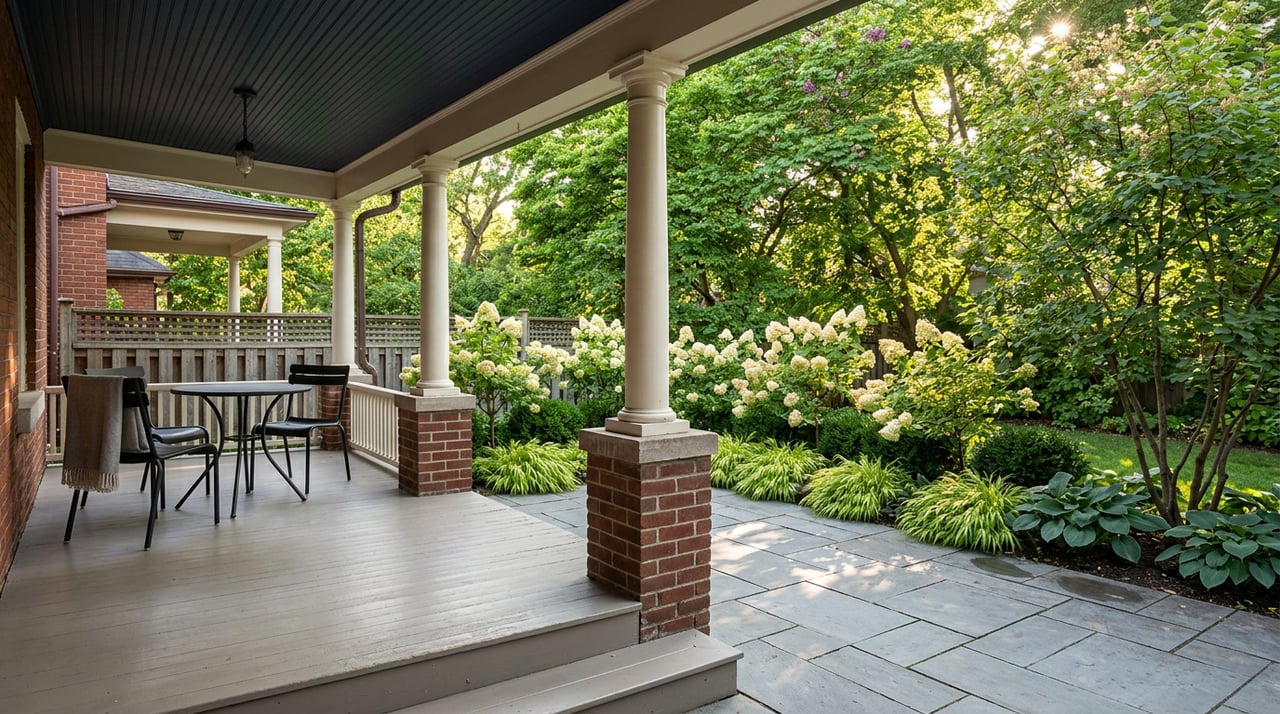
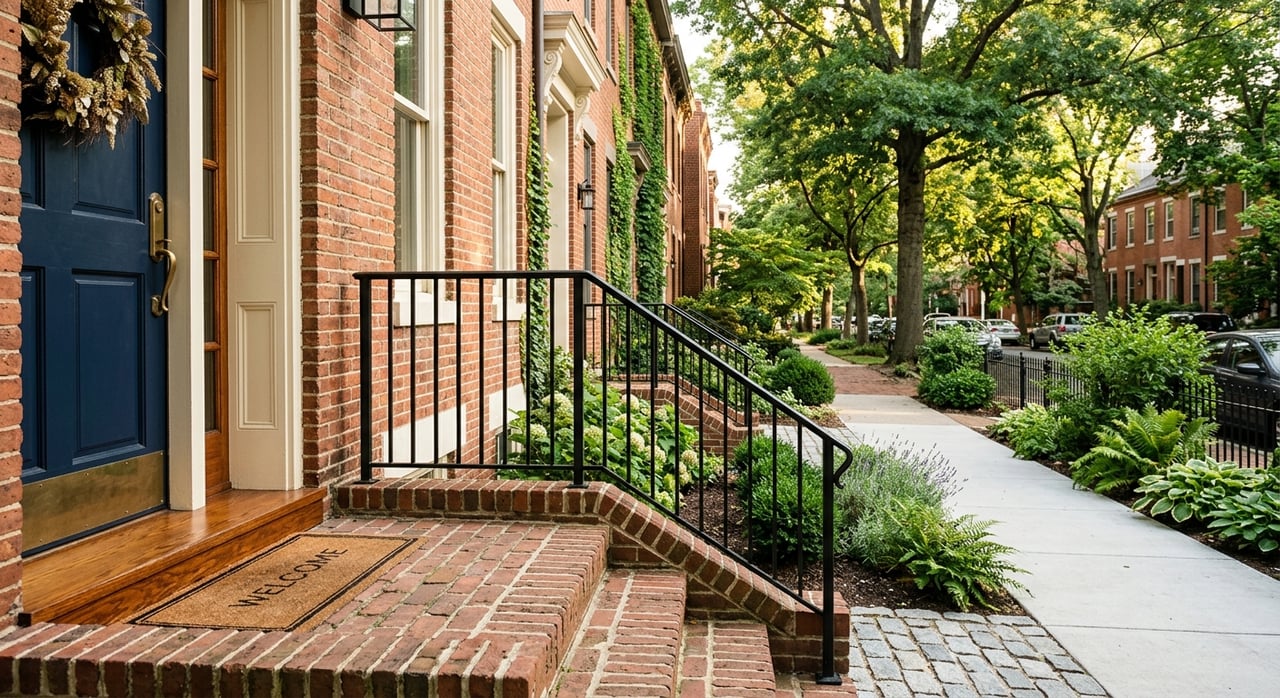
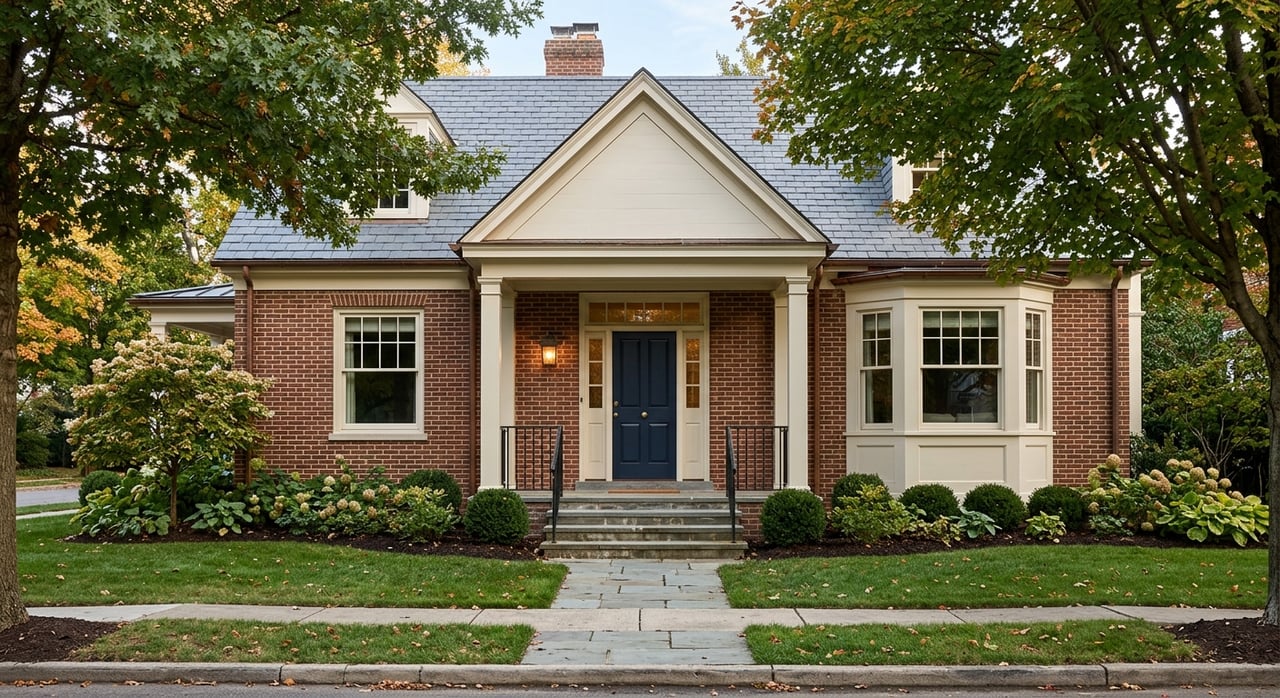
If you are drawn to older homes, Highland Park has a lot of architectural appeal. The neighborhood is a National Register Residential Historic District, and its housing stock reflects decades of development rather than one uniform style. That layered look is one of the reasons many buyers find the area so compelling.
According to the Highland Park community plan, early homes included Queen Anne and Richardson Romanesque houses along Highland Avenue. Behind those grander streets, more modest single-family homes were built, and later development added row houses, double houses, apartment buildings, and homes in Colonial Revival, Tudor, Craftsman, Mediterranean, Modern, and Romantic styles.
That means your home search may include very different property types within the same neighborhood. Some streets have larger lots and more prominent homes, while others reflect tighter urban blocks and later parcel subdivisions. For buyers, that variety can create more options, but it also makes local market guidance especially valuable.
Bryant Street Adds Everyday Convenience
While Highland Park is primarily residential, it still has a practical commercial core. Bryant Street serves as the neighborhood’s small business district, giving residents a convenient cluster of everyday destinations. You are not getting a huge retail corridor here, but you are getting a local one.
The Highland Park Community Council’s business directory lists spots such as Tazza D’Oro, Food Glorious Food, Bryant Street Market, Teppanyaki Kyoto, and Stanton and Negley Drug, along with other service businesses. That mix supports the neighborhood’s livability and gives Bryant Street a useful, community-centered role.
For many buyers, this is part of Highland Park’s appeal. You get a neighborhood that feels residential first, with a compact business district that supports day-to-day life without overwhelming it.
Community Identity Feels Strong Here
Some neighborhoods have amenities. Others have identity. Highland Park offers both.
The Highland Park Community Council has been operating since 1945 and describes itself as the oldest continually operating neighborhood organization in Pittsburgh. It has more than 500 members and organizes events such as the annual Yard Sale, Bryant Street Festival, and Reservoir of Jazz concerts.
Those events help create a rhythm to neighborhood life. The community assets page notes that the Bryant Street Festival is paired with the yard sale and brings neighbors and visitors into the business district. If you value a neighborhood where local traditions still matter, Highland Park has a strong civic culture behind it.
Institutions Add to the Neighborhood Mix
Highland Park is also home to several well-known local institutions. According to the Highland Park Community Council neighborhood page, these include the Pittsburgh Zoo & Aquarium, Union Project, the Nuin Center, St. Andrew’s Church, and several locally owned restaurants and businesses.
That mix adds depth to the neighborhood experience. You are not just choosing a home on a quiet street. You are also choosing proximity to places that give the area visibility, activity, and a broader sense of place within Pittsburgh’s East End.
What Home Prices Look Like
If you are wondering about pricing, current data suggests Highland Park sits in the mid-$400,000s. The research report cites a February 2026 median sale price of $460,000 from Redfin, a median list price of $444,500 from Realtor.com, and a Zillow average home value of $443,698. While those numbers are measured differently, they point to a similar range.
For buyers, that pricing reflects the neighborhood’s mix of historic character, park access, and East End location. It also means you may be balancing charm and lifestyle benefits against the realities of older housing stock, varied lot sizes, and a broad range of property types. In Highland Park, pricing is not just about square footage. It is also about architecture, setting, and location within the neighborhood.
Who Highland Park Often Fits Best
Highland Park can appeal to several kinds of buyers, but it is especially worth a closer look if you want a neighborhood with personality and long-term livability. You may find it to be a strong fit if you are looking for:
- Access to one of Pittsburgh’s signature parks
- Historic homes and architectural variety
- A residential setting with a local business district
- Established neighborhood traditions and community events
- East End location with strong identity and local institutions
It may be especially appealing if you are moving up from a smaller home or relocating to Pittsburgh and want a neighborhood that feels distinctly local. The housing stock is not cookie-cutter, which is part of the draw, but that also means each block and property can differ more than you might expect.
What to Keep in Mind as You Search
Highland Park rewards buyers who look closely. Because the neighborhood developed over time, home styles, lot sizes, and block-to-block feel can vary quite a bit. Two homes at similar price points may offer very different tradeoffs in layout, condition, yard space, and architectural detail.
That is why neighborhood-specific guidance matters here. If you are comparing Highland Park to nearby East End options, it helps to understand not just pricing, but how park access, historic designation, housing type, and micro-location affect value. A thoughtful strategy can help you narrow the right fit faster.
If you are considering Highland Park, working with an agent who understands Pittsburgh’s East End can make the process much clearer. Kate White Real Estate brings local perspective, financial insight, and hands-on guidance to help you evaluate neighborhoods, compare homes, and move forward with confidence.
FAQs
What is Highland Park in Pittsburgh known for?
- Highland Park is known for its large namesake park, reservoir loop, historic housing stock, Bryant Street business district, and strong neighborhood identity.
What types of homes are in Highland Park, Pittsburgh?
- Highland Park includes Queen Anne, Richardson Romanesque, Colonial Revival, Tudor, Craftsman, Mediterranean, Modern, and Romantic-style homes, along with row houses, double houses, and apartment buildings.
Is Highland Park a good neighborhood for outdoor activities?
- Highland Park offers extensive outdoor amenities, including tennis courts, volleyball courts, a pool, a cycling track, playgrounds, fitness equipment, and popular walking and biking routes around the reservoir.
What is the housing market like in Highland Park, Pittsburgh?
- Current pricing cited in the research report points to a typical home value or price range in the mid-$400,000s, though exact figures vary by source and property type.
Does Highland Park have local shops and restaurants?
- Yes. Bryant Street serves as the neighborhood’s small business corridor, with cafes, restaurants, a market, a drugstore, and other service businesses.