Thinking about a move to Mount Lebanon? You are not alone. For many relocation buyers, Mt. Lebanon stands out because it offers a rare mix of established neighborhoods, strong public school recognition, and practical access to Downtown Pittsburgh. If you are trying to figure out where you might fit best, this guide will help you compare neighborhoods, understand how schools work, and think through your daily commute with more confidence. Let’s dive in.
Why Mount Lebanon draws relocation buyers
Mount Lebanon is a compact South Hills community about 6 to 7 miles from Downtown Pittsburgh. In just 6.08 square miles, it offers a well-established residential setting with business districts, sidewalks, transit access, and a wide range of home styles.
It also feels more varied than many first-time buyers expect. Rather than one uniform suburb, Mt. Lebanon is better understood as a collection of neighborhoods with different housing eras, street patterns, and access points. That matters when you are relocating, because your day-to-day experience can change a lot from one part of town to another.
The township is also heavily developed, with very little room for large-scale growth. In practical terms, that means much of the housing stock is existing inventory, and the condition, updates, and layout of a home may matter as much as square footage or bedroom count.
Mount Lebanon neighborhoods at a glance
The municipality’s neighborhood map identifies 23 neighborhoods, though neighborhood names are not always legally rigid. For relocation buyers, the most useful approach is to focus less on labels alone and more on what each area offers in housing style, transit access, and daily convenience.
Uptown and Washington Road
If you want the most walkable, business-district-oriented part of Mt. Lebanon, start here. Washington Road is the main thoroughfare through the central business district, and Uptown is one of the more built-up business districts outside Pittsburgh.
This area includes shops, coffee spots, galleries, restaurants, boutiques, and a hotel. It is often the best fit for buyers who want easier access to daily errands, public transit, and a more active street environment.
Clearview and Avondale
Clearview and Avondale have roots in the trolley era, when access to transit along Washington Road helped shape development. That history still matters today if you are looking for an established neighborhood with strong ties to the corridor that connects homes, shops, and transit.
For relocation buyers, these neighborhoods can be worth a close look if you value older housing stock and proximity to the township’s central spine. As with any older home search, renovation level and maintenance history deserve close attention.
Sunset Hills and Parker Gardens
These neighborhoods followed the auto boom of the 1920s. They tend to reflect a different development pattern than the earlier trolley-oriented neighborhoods, which can mean a different feel in lot layout, street design, and how you move through the area by car or on foot.
Arlington Park is historically older, though some residents still think of it as distinct even though the municipal map groups it with Sunset Hills. If you are comparing this part of town, it helps to tour several blocks rather than assume one label tells the whole story.
Mission Hills, Beverly Heights, and Virginia Manor
Mission Hills and Beverly Heights were designed around curving streets that follow the land’s topography. That can create a more tucked-away feel, with street patterns that differ from the gridded parts of town.
Virginia Manor is known for having some of Mt. Lebanon’s larger and more expensive properties. Historically, it also had stricter deed rules related to lot size, frontage, and building materials, which helped shape its housing character.
These areas may appeal to buyers looking for detached homes with architectural character and a more established residential setting. If that is your goal, it is smart to compare not just price but lot usability, updates, and the tradeoff between privacy and commute convenience.
Cedarhurst, Twin Hills-Lincoln, and Woodridge
Cedarhurst Manor saw postwar construction and additions through the 1970s. Twin Hills-Lincoln includes some of the municipality’s earliest residences, plus homes built as recently as the 1990s, giving it a broader mix of eras than some buyers expect.
Woodridge includes mid-1980s condominiums, which can open up options for buyers who want a lower-maintenance property type. Twin Hills-Lincoln also benefits from access to Pittsburgh via Banksville Road, which can be a meaningful advantage depending on where you work.
What the housing market feels like
Mount Lebanon is largely owner-occupied, with 72.3% of homes occupied by owners. Census data also shows a median owner value of $378,300 and median gross rent of $1,194, which supports its reputation as an established, relatively affluent suburb.
The housing stock is broad enough to give buyers real options. The township includes rentals, condominiums, and single-family homes, with major growth periods in the 1920s and 1930s and again in the 1950s and 1960s.
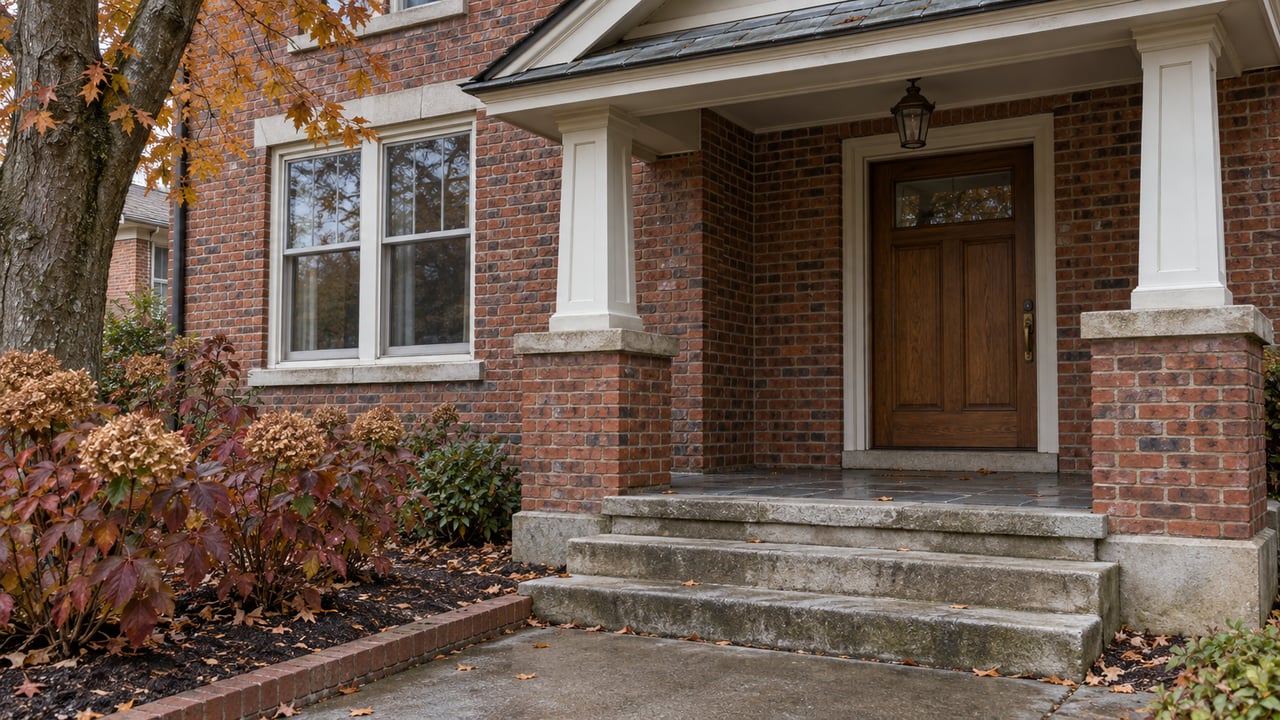
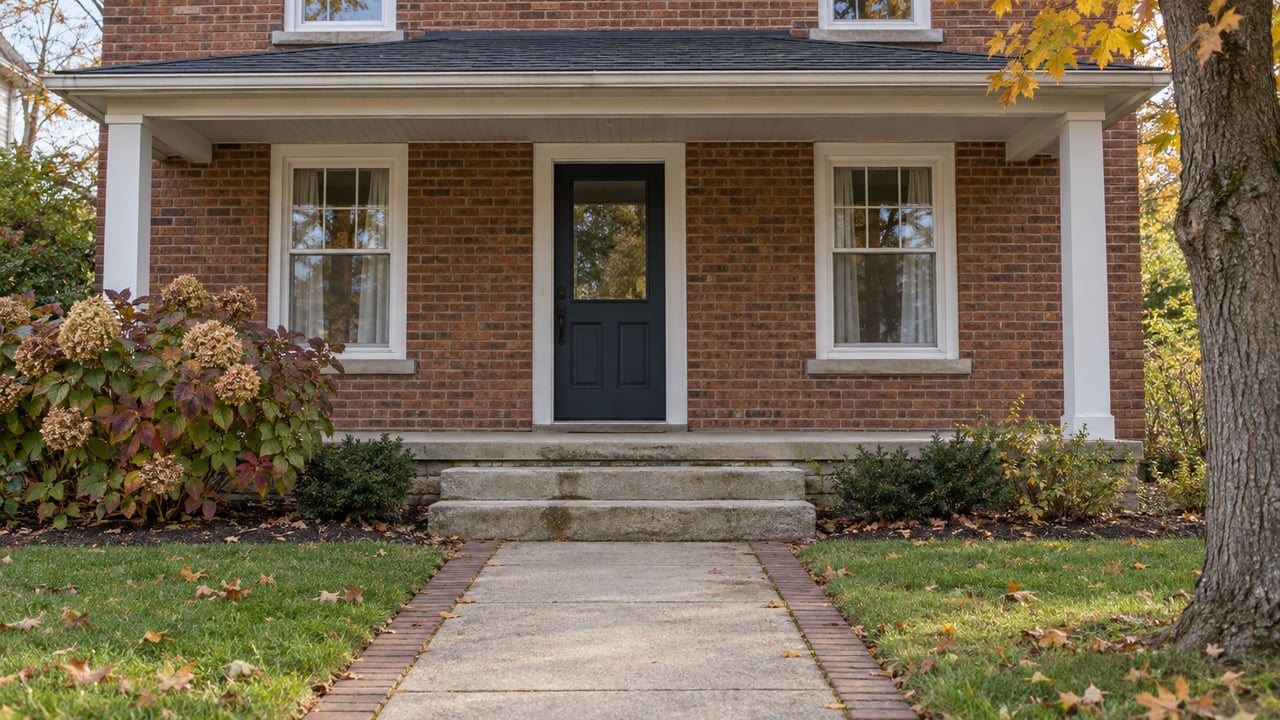
You will see classic styles from those periods, including Tudors and Colonials from the earlier years, along with Ranch homes, Split-Levels, and Post-War Traditional homes from the later wave. That mix is part of Mt. Lebanon’s appeal, but it also means no two searches are exactly alike.
As of March 2026, Redfin reported a median sale price of $388,700, with homes averaging 6 offers and 68 days on market. That points to a somewhat competitive market, but not one where every home disappears immediately.
Why home condition matters here
Because so much of Mt. Lebanon is built out, your search is often about evaluating existing homes rather than choosing from large amounts of new construction. In a market like that, the renovation story matters.
A home with the same bedroom count as another may live very differently depending on layout, systems, kitchen updates, window condition, and how well prior improvements were done. For relocation buyers, this is one of the biggest reasons to look past the listing photos and compare homes with a practical eye.
That is where a more financial, detail-oriented search can help. Looking at price alone rarely tells the full story in a community with this much architectural variety and age range.
How schools work in Mount Lebanon
Mount Lebanon School District operates seven elementary schools, two middle schools, and one high school. As of January 2026, district enrollment totaled 5,426 students.
The elementary schools are Foster, Hoover, Howe, Jefferson, Lincoln, Markham, and Washington. Jefferson Middle had 630 students, Mellon Middle had 669, and Mt. Lebanon High School had 1,734.
For many relocating households, the key point is simple: school assignment is address-based. The district tells families to use its School Attendance Areas tool to confirm which school serves a specific property.
School reputation and rankings
The district reports strong external recognition. It says Mt. Lebanon ranked #6 in the region and #10 in Pennsylvania in the 2024 Pittsburgh Business Times guide, and #5 in Pennsylvania and #2 in the region in the 2025 Niche rankings.
The district also reports that Mt. Lebanon High School ranked #19 in Pennsylvania and #7 in the Pittsburgh area in the 2024 U.S. News rankings. In addition, all seven elementary schools and both middle schools ranked within the top 100 K-8 schools in Pennsylvania, according to the district.
For relocation planning, the best way to think about schools here is as a district-wide strength. If you have a particular elementary assignment in mind, confirm it by address before you make decisions.
Commutes and transit in daily life
A lot of relocation buyers want to know one thing first: how hard is it to get into the city? In Mt. Lebanon, the answer depends on your exact location, but the township offers several practical options.
Census data lists a mean travel time to work of 25.6 minutes. That supports Mt. Lebanon’s position as a short-to-moderate commute suburb for many households.
Light rail and bus options
Pittsburgh Regional Transit serves Mt. Lebanon and connects South Hills communities with Station Square, Downtown Pittsburgh, and the North Shore. The municipality says light rail offers direct and indirect routes to Downtown, Oakland, the North Shore, and the South Side.
The main stop is Mt. Lebanon Station on Shady Drive East, accessible from Washington Road. The Mt. Lebanon park-and-ride lot is free, has 24 spaces, and is served by the Red Line and Route 38 Green Tree, with peak-hour service about every 12 minutes.
The municipality also lists bus routes 36 Banksville, 38 Green Tree, and 41 Bower Hill. If you plan to use transit regularly, it is worth comparing not just neighborhood names, but your actual route from a specific block to a stop.
Driving routes and access
For drivers, neighborhood location can shape your commute more than you might expect in a compact township. Twin Hills-Lincoln, for example, is noted for easy access to Pittsburgh via Banksville Road.
That kind of detail matters when you are choosing between two otherwise similar homes. A slightly different location can change school drop-off routines, downtown access, or how quickly you get to major roads.
Walkability is real, but block by block
Mt. Lebanon describes itself as a walking community, and sidewalks are a meaningful part of daily life here. The township notes that sidewalks are critical for access to schools, transit, and business districts.
Still, walkability is not something you should assume based on the neighborhood name alone. Sidewalk priorities are shaped street by street, especially near schools, parks, business districts, transit stops, hospitals, and other public destinations.
That means one block may feel easy for errands or transit, while another in the same general area may feel more car-dependent. If walkability is high on your list, it is worth testing the route you would actually use.
How to choose the right fit
The smartest way to approach Mt. Lebanon is to treat it as a spectrum. Uptown and Washington Road tend to be the most transit-forward and walkable. Areas like Virginia Manor, Mission Hills, and Cedarhurst often appeal to buyers looking for detached homes with more architectural character. Neighborhoods such as Sunset Hills, Twin Hills-Lincoln, and Woodridge can offer a broader mix of housing eras and property types.
If you are relocating, try narrowing your search around three questions:
- How important is walkability from your exact block?
- Do you want transit access, driving convenience, or both?
- Are you comfortable taking on an older home, or do you want more updated interiors from day one?
Those questions usually lead to better decisions than starting with neighborhood reputation alone. In Mt. Lebanon, the details of the house and its specific location often matter just as much as the area name on the listing.
If you are planning a move and want a clear, data-informed view of how Mt. Lebanon compares block by block, Kate White Real Estate can help you evaluate neighborhoods, housing options, and commute tradeoffs with confidence.
FAQs
What is Mount Lebanon like for relocation buyers?
- Mount Lebanon offers a compact, established suburban setting about 6 to 7 miles from Downtown Pittsburgh, with varied neighborhoods, recognized public schools, and a mix of transit, walkability, and driving options.
How many neighborhoods are in Mount Lebanon?
- The municipality’s neighborhood map identifies 23 neighborhoods, though the names are useful reference points rather than rigid legal boundaries.
How do school assignments work in Mount Lebanon School District?
- School assignment is based on your home address, and the district tells families to use its School Attendance Areas tool to confirm the assigned school for a specific property.
What types of homes are common in Mount Lebanon?
- The township includes single-family homes, rentals, condominiums, and some duplexes, with many homes dating from the 1920s to 1930s and the 1950s to 1960s.
Is Mount Lebanon good for commuting to Pittsburgh?
- Many buyers consider it convenient for commuting, with a reported mean travel time to work of 25.6 minutes plus access to light rail, bus routes, and driving connections such as Banksville Road.
Is Mount Lebanon walkable?
- Walkability is an important part of the township’s identity, especially near business districts, schools, and transit, but it should be evaluated block by block rather than assumed across an entire neighborhood.
What is the Mount Lebanon housing market like?
- As of March 2026, Redfin reported a median sale price of $388,700, homes averaging 6 offers, and 68 days on market, suggesting a somewhat competitive market.
Which Mount Lebanon neighborhoods are closest to shops and transit?
- Uptown and the Washington Road corridor are generally the most walkable and transit-oriented parts of Mt. Lebanon, with access to businesses and the main commercial district.