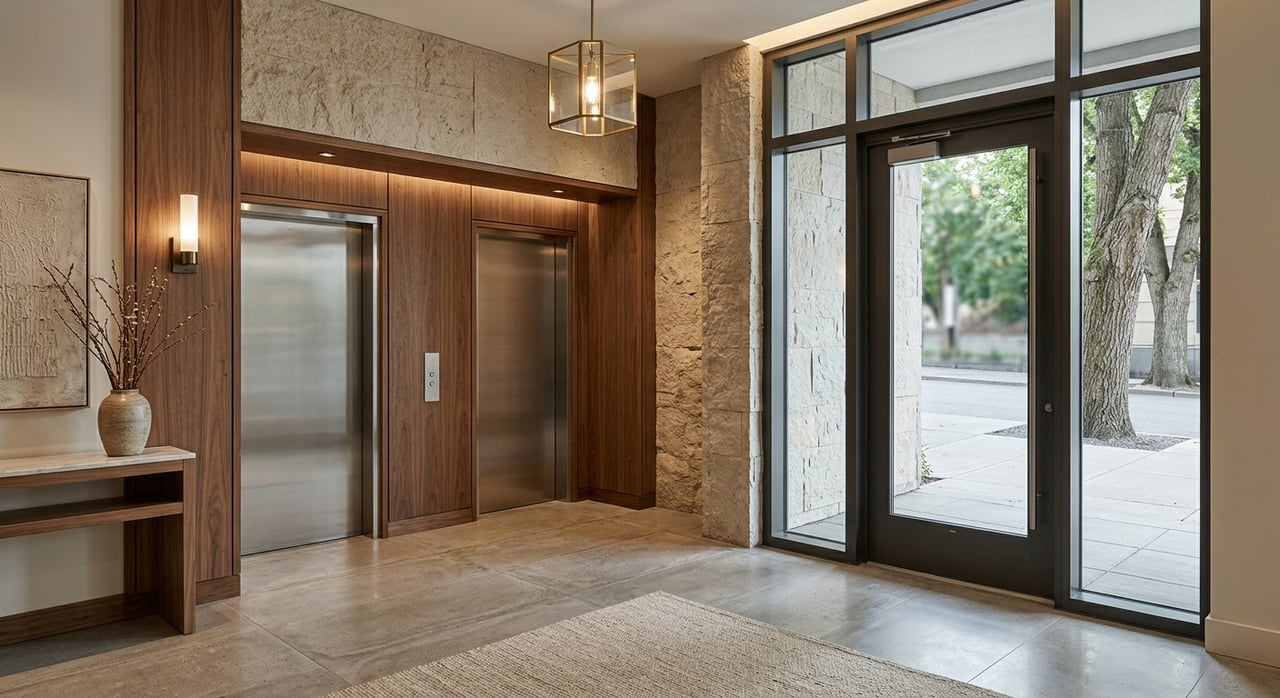
If you want a newer home in East Liberty, you may quickly notice something important: not all "new" options look the same. Some buyers picture a true condo with secure entry and shared amenities, while others discover that East Liberty’s newer ownership opportunities often lean more toward loft-style units or townhome living. If you are weighing convenience, monthly costs, and long-term value, this guide will help you understand what the market really offers and what to review before you buy. Let’s dive in.
East Liberty’s newer housing story
East Liberty’s current housing mix did not happen by accident. It reflects years of public-private redevelopment and neighborhood planning that added housing, retail, transit access, and public spaces.
The Urban Redevelopment Authority says the East Liberty Transit Oriented Development transformed six acres into a multimodal transit station and mixed-use project with 360 residential units, 43,000 square feet of retail, a 554-space parking garage, and a 120-space bike garage. The Larimer/East Liberty Choice Neighborhoods initiative added 334 housing units and three parks, while the 2025 Broad Street Plaza renovation brought updated seating, bike racks, and flexible public space.
That broader investment helps explain why East Liberty appeals to buyers who want an urban lifestyle with newer housing choices. A 2010 community plan described the neighborhood as mixed-income with diverse housing options and a rebuilt residential fabric, and that description still helps frame today’s mix of older homes, newer rentals, loft condos, and townhomes.
What new construction looks like
If you are searching for a newly built condo in East Liberty, it helps to set expectations early. True for-sale condo inventory exists, but it is relatively limited compared with rental and mixed-use development.
One of the clearest examples is Glass Lofts, a four-story mixed-use project with commercial space and artist workspaces on the first floor and 18 loft-style for-sale condominiums above. A current listing there features a 1,785-square-foot, 3-bedroom, 3-bath unit with concrete floors, high ceilings, exposed ductwork, a private balcony, secure entry, elevator access, one garage space, and shared amenities that include a gym, yoga studio, coffee shop, and restaurant. The HOA fee is listed at $846 per month.
That example shows what many buyers picture when they think about condo living in East Liberty: industrial-inspired design, lock-and-leave convenience, and shared amenities. But it also shows why monthly carrying costs need a close look, especially when HOA dues are part of the picture.
Why rentals shape the market
Much of East Liberty’s newest housing has been built as apartments, mixed-income communities, or townhomes rather than large for-sale condo towers. That is one reason buyers sometimes feel like they are seeing plenty of new buildings but fewer ownership opportunities than expected.
Current examples show the range of newer product in the neighborhood. East Liberty Place offers one- and two-bedroom floor plans, along with a rooftop lounge, secure gated parking, bike storage, a fitness center, elevators, and LEED-certified buildings. The Carina includes one-, two-, and three-bedroom layouts in a renovated historic building and advertises Passive House construction, solar panels, bike storage, on-site parking, and utilities included except electricity.
Other projects add even more variety. Cornerstone Village offers garden and townhouse-style units with central HVAC, energy-efficient appliances, bike racks, a fitness center, clubhouse space, and green certifications. Eastside Bond includes amenities like a heated saltwater pool, yoga and spin studios, coworking spaces, EV charging, a rooftop deck, and a dog-washing station, while Mellon’s Orchard South adds apartment and townhome options tied to bus and bike access.
For buyers, the key takeaway is simple: East Liberty is a neighborhood where new construction often means mixed-use rentals and townhome-style housing, not a deep bench of for-sale condo inventory. That reality can shape your search strategy from the start.
Ownership options beyond condos
If your goal is ownership in newer construction, townhomes may give you more options than traditional condos. Current East Liberty listings show that newer ownership opportunities can be larger and more house-like than many buyers expect.
For example, recent listings include a newly constructed 3-bedroom, 3.5-bath townhome at 514 N Euclid Ave with 2,100 square feet, along with a 4-bedroom, 3.5-bath new-construction home at 523 N Euclid Ave with 2,503 square feet. Those numbers point to a different ownership path for buyers who want newer finishes and more space.
This matters if you are deciding between condo convenience and townhome flexibility. A condo may offer elevator access, shared amenities, and less day-to-day upkeep, while a townhome may provide more square footage and a more traditional ownership feel. In East Liberty, both paths can fit the broader new-construction conversation.
Newer condos vs older homes
East Liberty still includes a substantial amount of older housing, and that creates a very real comparison for buyers. You are often not just choosing between two condo buildings. You are choosing between newer construction and older homes or older condo conversions with a different kind of appeal.
Current neighborhood listings include a renovated house built in 1910, a 1900-built 3-bedroom, 2-bath condo on Hays Street, and a 1928-built 3-bedroom, 1-bath condo on Lincoln Avenue. In general, older properties tend to attract buyers who value character, original details, and the charm of earlier construction.
Newer East Liberty construction often emphasizes open layouts, secure entry, elevators, parking, and amenity-rich common spaces. Older homes and condos may offer architectural personality, but they can also come with different maintenance needs, building systems, and update priorities. Your decision often comes down to lifestyle as much as style.
The real tradeoff: fees vs upkeep
For many buyers, the biggest question is not whether new is better than old. The more useful question is whether the monthly carrying cost of a condo makes sense compared with the upkeep burden of another type of home.
A newer condo can reduce the amount of maintenance you handle personally. At the same time, your monthly HOA fee needs to be weighed against what the association covers, how healthy its reserves are, and whether there is a history of special assessments.
That is especially important in amenity-rich buildings. A gym, elevator, secure entry, garage access, or shared common space can add convenience and appeal, but those features also need maintenance and funding over time. In East Liberty, the finishes may catch your eye first, but the ownership structure deserves just as much attention.
What to review before buying a condo
In Pennsylvania, condo associations have specific legal and financial responsibilities. The Pennsylvania Uniform Condominium Act says board members have fiduciary duties, reserve funds must be managed under the prudent investor rule, and associations must keep detailed financial records, including per-unit assessment records, available for examination by unit owners and authorized agents.
The law also requires bylaws to address issues such as board structure, officers, meetings, voting, and how bylaws can be amended. In general, bylaw amendments require approval by owners holding at least 51% of votes unless the bylaws set a different threshold.
For buyers, that means condo review should go well beyond finishes and the monthly fee. A careful review helps you understand how the building is run, whether the budget appears stable, and whether the rules fit your plans.
Condo due diligence checklist
Before you move forward on a condo in East Liberty, ask to review:
- The declaration
- The bylaws
- The current association budget
- The latest reserve study, if one exists
- Annual financial statements
- Recent meeting minutes
- The master insurance certificate
- Special assessment history
- Litigation status
- Developer-control timeline
- The exact rental policy
That checklist follows directly from Pennsylvania’s record-access rules and from common lender concerns around condo projects.
Why reserves and rules matter
From a financing and resale standpoint, project health matters. Fannie Mae highlights factors such as financial stability, physical condition, owner control, occupancy limits, and litigation exposure when evaluating condo projects.
Fannie Mae also notes that reserve studies are not required for eligibility, but underfunded reserves are associated with critical repairs and higher risk of special assessments or increased dues. For you as a buyer, that means a lower monthly fee is not always better if the association is not saving enough for future needs.
You will also want to review whether the project has rental-pooling arrangements or occupancy restrictions that could affect financing eligibility. Even if you plan to live in the unit full time, those details can matter later when you sell.
Rental policy questions to ask
Rental rules are especially important in a neighborhood where investor interest and mixed-use development are part of the local conversation. If you are buying a condo, do not assume every building handles rentals the same way.
Ask whether rentals are allowed at all, whether there is a cap on the number of leased units, whether board approval is required, and whether there are minimum lease terms. You should also confirm whether any investor occupancy limits or project rules could affect financing.
These questions matter whether you are an investor, a future relocation buyer, or an owner-occupant who wants flexibility later. Clear answers now can help you avoid surprises after closing.
How to decide what fits you
If you want low-maintenance living and like the idea of secure entry, elevator access, and shared amenities, a loft-style condo may be the right fit. If you want newer construction but need more space and a more traditional ownership setup, a townhome may deserve a closer look.
If character and historic detail matter most, an older home or older condo conversion may be more appealing. If simplicity, predictable day-to-day upkeep, and modern systems are your priority, newer construction may win out even if the monthly costs are higher.
The smartest move is to compare the full picture. Look at purchase price, HOA dues, amenities, reserve strength, maintenance responsibilities, resale flexibility, and how you actually want to live in East Liberty day to day.
East Liberty offers a distinctive mix of redevelopment energy, older housing stock, and newer urban living options. If you want help weighing condo ownership against townhome or house options, Kate White Real Estate can help you compare the numbers, understand the fine print, and find the right fit for your goals.
FAQs
What does new construction in East Liberty usually look like?
- In East Liberty, newer housing often includes mixed-use rentals, apartment buildings, and townhome-style development, with more limited true for-sale condo inventory.
What is a condo example in East Liberty?
- Glass Lofts is a notable example of a for-sale condo project in East Liberty, with 18 loft-style condominiums above ground-floor commercial and artist workspace.
What should you review before buying a condo in Pennsylvania?
- You should review the declaration, bylaws, budget, reserve information if available, financial statements, meeting minutes, insurance certificate, special assessment history, litigation status, developer-control timeline, and rental policy.
Why do HOA reserves matter for an East Liberty condo?
- Reserve strength matters because underfunded reserves can increase the risk of future special assessments, higher dues, and repair issues that may also affect financing and resale.
How do newer condos compare with older East Liberty homes?
- Newer condos often emphasize open layouts, secure entry, elevators, parking, and amenities, while older homes and older condo conversions tend to offer character, original details, and a different maintenance profile.