Wondering whether a Lawrenceville rowhouse is a smart buy or just a charming one? In Central Lawrenceville, those two things can go together, but only if you know what to look for beyond the staging and listing photos. If you are weighing layout, price, and future resale, this guide will help you read the market more clearly and buy with more confidence. Let’s dive in.
Why Central Lawrenceville Rowhouses Stand Out
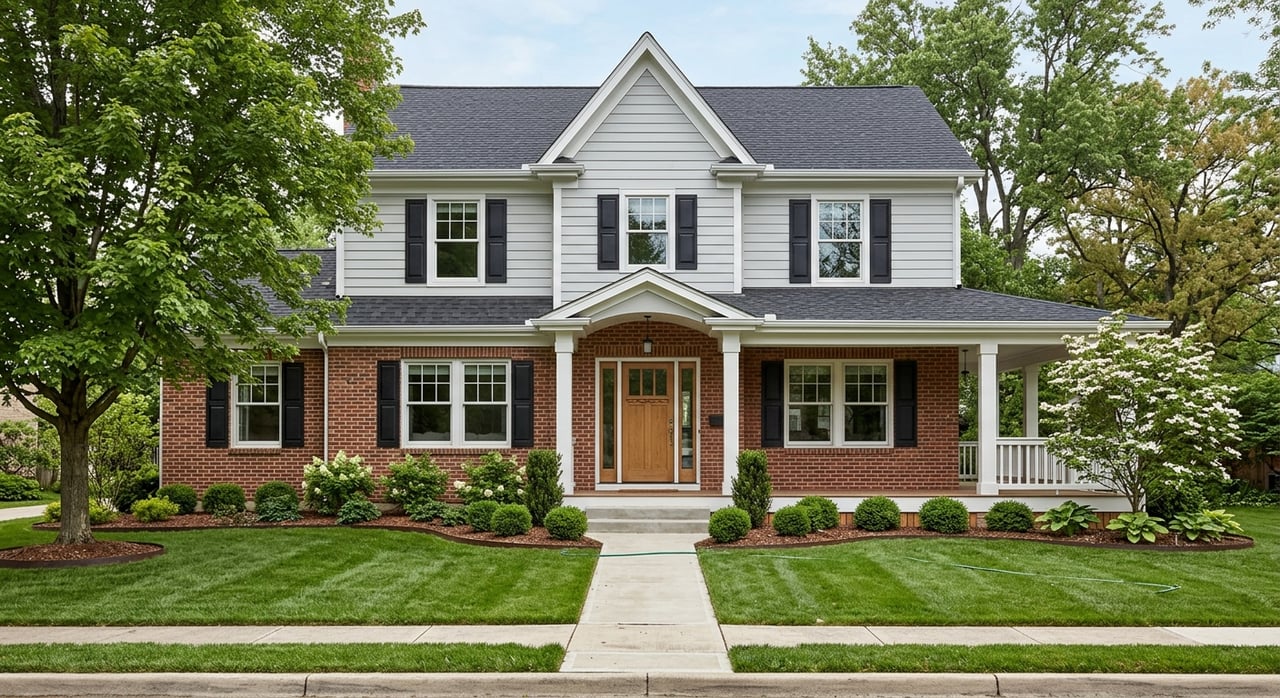
Central Lawrenceville is one of Pittsburgh’s clearest rowhouse markets. Much of the neighborhood sits within the Lawrenceville Historic District, where many residential blocks are made up of 2-story and 2.5-story brick and frame rowhouses built roughly between 1850 and 1940.
That matters because the housing stock is compact, attached, and street-oriented by design. When you buy here, you are not just buying square footage. You are buying into a historic block pattern, a certain kind of layout, and a style of living that feels very different from a detached home in a more suburban setting.
What Layouts Are Typical
Many classic rowhouses follow a familiar pattern. You enter through a side access hall, move into a front parlor or living room, then through a dining room, with the kitchen toward the rear and bedrooms upstairs.
That sequence still matters today. Preservation guidance identifies the entry hall, stair hall, parlors, dining rooms, and main staircase as the most character-defining interior features in a rowhouse.
Original Room Sequence Matters
When you tour a home, pay attention to how the rooms connect. A rowhouse that still has a readable entry, stair hall, and natural front-to-back flow often holds its appeal better over time than one where the original circulation has been heavily erased.
This does not mean every buyer wants a fully untouched interior. It means the best homes usually balance updates with respect for the original structure.
Open First Floors Are Common
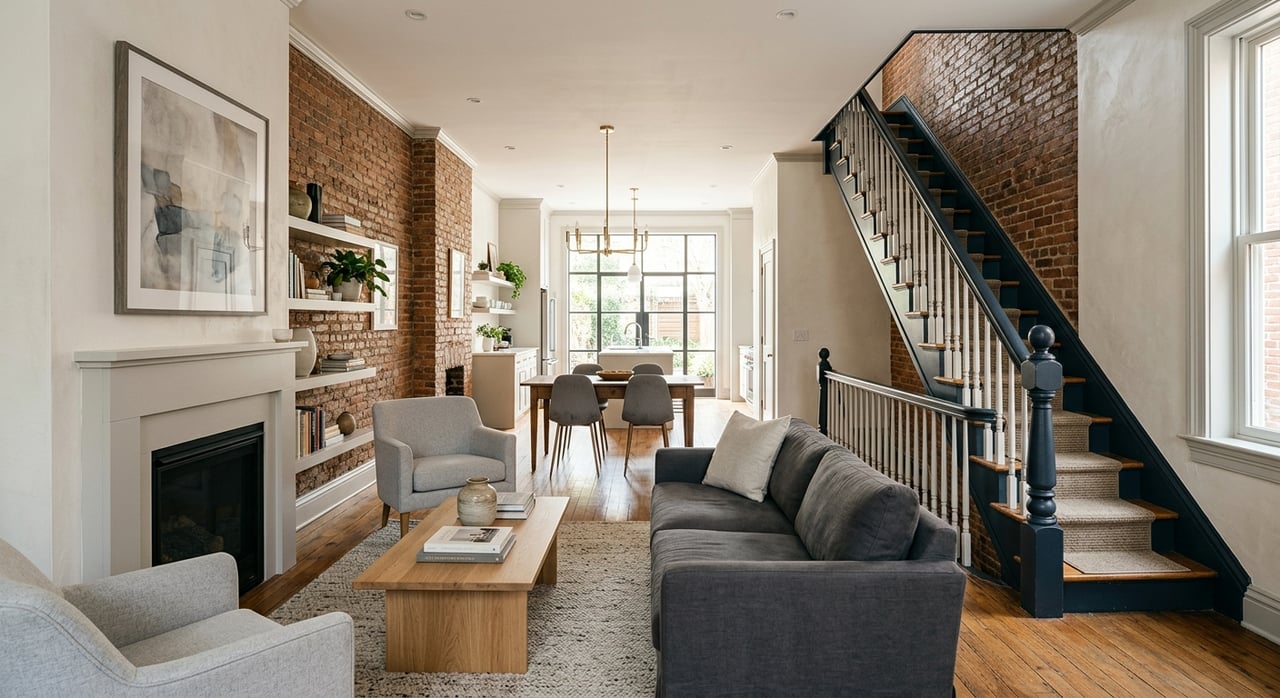
Current listings in Central Lawrenceville often highlight open-concept first floors, exposed brick, and more flexible third-floor spaces that can work as an office or extra bedroom. Those features reflect what many buyers want today, especially in a compact urban home.
Still, there is a difference between opening a space thoughtfully and removing so much structure that the home loses its rowhouse feel. Buyers often pay for modern function, but long-term appeal tends to be stronger when the home still reads as a rowhouse first.
How To Read Renovations Carefully
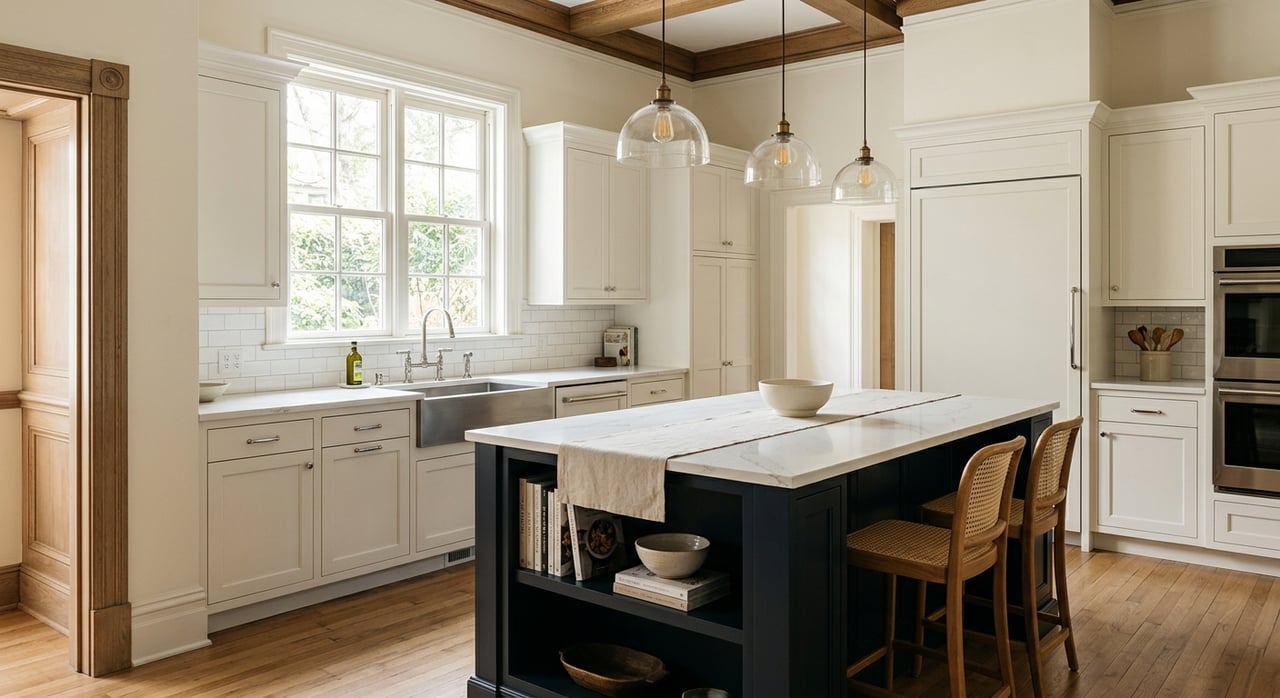
A polished kitchen can grab your attention fast. In Lawrenceville, though, the smarter move is to look past the finishes and ask whether the renovation works with the house or fights it.
The strongest renovations usually preserve the basic floor plan and primary public rooms while updating kitchens, baths, mechanical systems, basements, and rear areas more freely. That approach aligns with preservation guidance and with what buyers seem to reward in the current market.
Good Signs In Listing Photos
When you review photos online or walk through in person, look for signs that the house has been updated with restraint and care:
- Visible stair hall
- Intact trim or original woodwork
- Original window proportions
- Repaired brick or masonry
- Rear additions that feel secondary and compatible with the main structure
These details can suggest a renovation that protects the home’s core identity while still improving everyday livability.
Neutral Upgrades To Expect
Some changes are not red flags at all. In fact, they are often practical improvements in a house of this age.
- New kitchens
- Updated bathrooms
- Finished basements
- Modern HVAC systems
These spaces typically have more flexibility for change, especially if the primary layout and front rooms still make sense.
Caution Signs To Watch
A few features deserve a closer look before you fall in love with the decor:
- Erased hall sequences
- Mismatched windows
- Oversized additions
- Exterior changes that imitate a different era instead of fitting the house’s actual period
In Pittsburgh’s historic-district process, exterior work visible from the public right-of-way is reviewed and approved work receives a Certificate of Appropriateness. That can affect both renovation timing and future resale, so exterior changes are worth evaluating carefully.
Outdoor Space Is Often A Premium
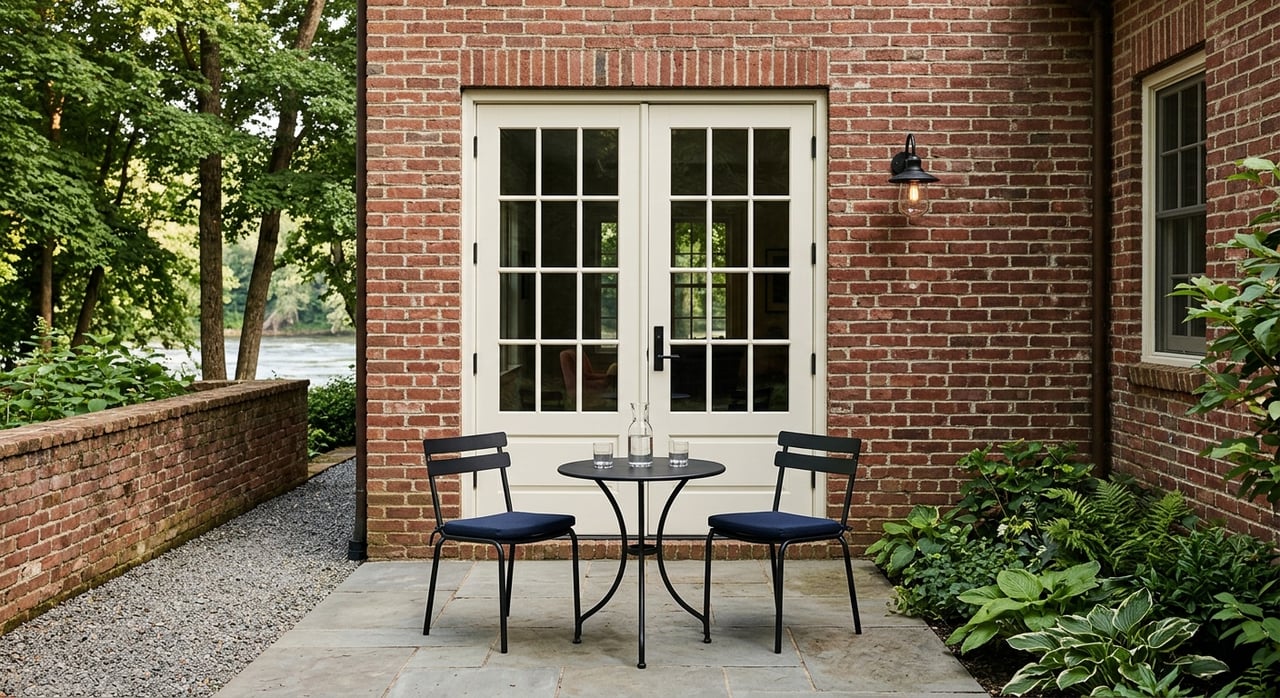
In Central Lawrenceville, outdoor space is usually a differentiator, not a standard feature. Because rowhouses are attached on one or more sides, the exterior area is often limited to a rear patio, small yard, or deck.
That is why listings make a point of calling out fenced yards, private patios, raised rear decks, or rooftop-style outdoor areas. If a home offers truly usable outdoor space, it may deserve a premium compared with a similar house on the same block without it.
Ask Whether The Space Is Truly Usable
A deck in photos may look generous but feel tight in person. A yard may technically exist but offer limited privacy or function.
When comparing homes, think in practical terms. Can you actually dine outside, garden, or let guests gather comfortably? In a rowhouse market, small differences in outdoor usability can shape both your day-to-day experience and future resale appeal.
Parking Can Change Value Fast
Parking is one of the biggest value variables in Lawrenceville. That is not just because it is convenient, but because resident permit systems help manage parking demand without guaranteeing you a spot.
The area is also part of broader curbside management efforts, which is another reason buyers pay close attention to whether a property has off-street parking.
Off-Street Parking Needs More Than A Listing Note
If a property advertises off-street parking, treat that as a feature worth verifying. Pittsburgh requires curb cut permits for new driveways, garages, parking pads, and similar access points, and even changes to an existing curb cut can trigger review.
In other words, legal and functional parking is more valuable than parking that is vague, informal, or difficult to use in real life. A narrow pad or complicated access arrangement may not deliver the value the listing suggests.
What Pricing Looks Like Right Now
Central Lawrenceville pricing sits in a fairly wide range depending on condition and features. Current public market data places the neighborhood in the mid-$300,000s to mid-$400,000s depending on the source and metric.
Zillow reports an average home value of $357,941 and a median list price of $422,500, with 26 homes for sale. Redfin reports a median sale price of $415,610 over the last three months and median days on market of 50. Realtor reports a median listing price of $454,950 and a median rental price of $2,200.
Why Similar Homes Can Price Differently
The safest takeaway is not to anchor too hard to one neighborhood-wide number. In Central Lawrenceville, condition, layout, outdoor space, and parking can materially change value even among homes that look similar at first glance.
A beautifully updated rowhouse with a functional layout, strong outdoor space, and legal off-street parking may command a very different price than a nearby home with similar square footage but weaker flow and fewer practical features.
How To Think About Resale
If resale is on your mind, Lawrenceville rewards balance. Buyers often respond well to homes that feel updated and easy to live in, but also still reflect the neighborhood’s historic character.
The city’s historic-district guidance supports preservation-minded improvements and describes historic character as contributing to quality of life, the economy, property values, and neighborhood attractiveness. That does not mean every old detail must stay untouched. It means durable, compatible updates often age better than highly personalized renovations or overly processed flips.
The Best Resale Formula
Before you compare finishes, compare these four things:
- How much of the original plan survives
- How usable the outdoor space really is
- Whether parking is legal and functional
- Whether the remodel preserves rather than fights the home’s historic form
This framework gives you a clearer way to separate lasting value from cosmetic appeal.
What Investor-Minded Buyers Should Note
Central Lawrenceville also stands out for buyers thinking about future rental demand. The neighborhood is 55.2% renter-occupied, 67.1% of adults age 25 and over have a bachelor’s degree or higher, and 23.3% of workers work from home.
At the same time, 50.3% of workers commute by car, truck, or van. That helps explain why flexible layouts, work-from-home space, and parking continue to matter so much in both resale and rental positioning.
A Smart Buying Approach In Lawrenceville
Buying a Lawrenceville rowhouse is rarely just about finding the prettiest kitchen. It is about understanding how the layout lives, how the updates were done, and whether the features that drive value in this neighborhood are really there.
That is where a local, financial, and property-specific lens matters. If you want help comparing rowhouses in Central Lawrenceville, pricing trade-offs, or identifying the features most likely to support future resale, Kate White Real Estate can help you buy with clarity and confidence.
FAQs
What is a typical rowhouse layout in Central Lawrenceville?
- Many Central Lawrenceville rowhouses follow a traditional layout with a side access hall, front living or parlor space, dining room, rear kitchen, and bedrooms on upper floors.
What features add the most value to a Lawrenceville rowhouse?
- In Central Lawrenceville, layout, usable outdoor space, legal off-street parking, and thoughtful renovations can all materially affect value.
Is off-street parking important when buying in Lawrenceville?
- Yes. Parking is a major value variable in Lawrenceville, and off-street parking should be evaluated as a regulated site feature, not just a listing perk.
How much do homes cost in Central Lawrenceville right now?
- Current public market reports place Central Lawrenceville in the mid-$300,000s to mid-$400,000s depending on the source, with median list and sale metrics clustering around the low-to-mid $400,000s.
What should buyers look for in a renovated Lawrenceville rowhouse?
- Look for a renovation that keeps the home’s basic floor plan, preserves important spaces like the stair hall and front rooms, and updates kitchens, baths, and systems without overpowering the original structure.
Are outdoor spaces common in Central Lawrenceville rowhouses?
- Outdoor space exists in many rowhouses, but truly usable decks, patios, fenced yards, and similar features are often premium amenities rather than standard ones.