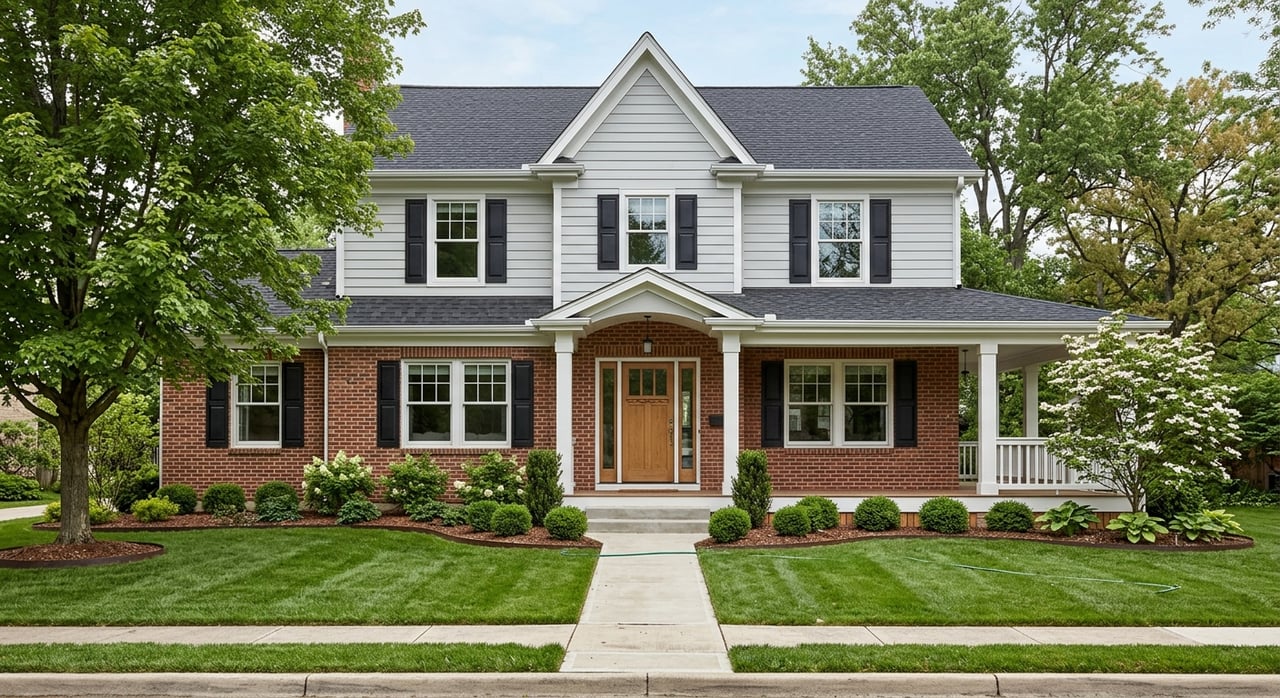
If every part of Mount Lebanon seems appealing, that is exactly what makes choosing a neighborhood feel hard. You are not just picking a house here. You are choosing a daily routine, a street feel, and the kind of tradeoffs that will shape how you live. The good news is that Mount Lebanon is easier to narrow down when you compare it by neighborhood pocket instead of treating the township like one single market. Let’s dive in.
Start With How You Want to Live
Mount Lebanon has 23 named neighborhoods across just over 6 square miles, with more than 34,000 residents and more than 14,000 homes. That compact size can make the township feel connected, but the living experience still changes a lot from one pocket to another.
Some buyers want to walk to coffee, shops, and transit. Others want larger lots, more privacy, or a certain architectural style. In Mount Lebanon, those priorities often matter more than the distance from one neighborhood to the next.
The township’s physical layout also shapes how blocks feel. Local history notes rolling hills, curving streets, planted triangles and parklets, plus sidewalk patterns that vary by era because sidewalks were not required between 1940 and 1955.
That means one street may feel older and close-knit, while another feels more open and postwar. When you tour homes, pay attention to the block itself, not just the property lines.
Focus on the Right Tradeoffs
Before you compare neighborhoods, it helps to define what matters most in your everyday life. A beautiful home in the wrong pocket can still feel inconvenient once the novelty wears off.
Ask yourself a few practical questions first:
- Do you want to walk to shops, dining, or seasonal events?
- Would you use light rail or bus service regularly?
- Is yard size more important than proximity to business districts?
- Do you prefer architect-designed older homes, bungalows, ranches, or split-levels?
- How often would you actually use nearby parks or recreation facilities?
- Are you comfortable with blocks where sidewalks may be less consistent?
Those answers usually point you toward one or two parts of Mount Lebanon pretty quickly.
Uptown and Washington Road
Best for walkability and transit
If your ideal day includes walking to restaurants, retail, or the farmers' market, start with Uptown and the Washington Road corridor. This is Mount Lebanon’s central business district, and the township describes it as a lively town center with seasonal street festivals, shops, and dining.
This area also stands out for transportation. Uptown has both bus and light rail service, and Mount Lebanon Station on Shady Drive East is the township’s largest light rail stop. Pittsburgh Regional Transit also serves the community with the Red Line and bus routes including 36 Banksville, 38 Green Tree, and 41 Bower Hill.
The tradeoff is usually density and lot size. Historic survey information notes that apartment buildings near Washington Road and Beverly Road help transition between commercial buildings and smaller single-family streets, so some blocks feel more mixed in form than purely residential pockets.
If convenience matters more to you than having the largest yard, this area deserves a close look.
Beverly Road Corridor
Best for neighborhood-scale convenience
The Beverly Road corridor, including areas such as Beverly Heights and Parker Gardens, can be a strong middle option. You still get neighborhood shopping and easy errands, but often with a slightly quieter feel than the busiest part of Uptown.
The township notes on-street metered parking and a surface lot in the Beverly Road district, along with an EV charging station in the renovated Overlook lot. That may not sound exciting at first, but details like parking and routine access often shape how comfortable a location feels over time.
Historic survey material also shows that Beverly Road retail dates back to 1925, with nearby apartment buildings and smaller single-family homes creating a transition from the commercial strip to residential streets. If you want some walkability without centering your life in the main business core, this is one of the best areas to compare.
Mission Hills and Virginia Manor
Best for larger lots and architectural consistency
If you picture a more private setting with distinctive homes and a more planned neighborhood feel, look closely at Mission Hills and Virginia Manor. The township’s historic survey identifies these as two of Mount Lebanon’s finest collections of architect-designed homes.
Mission Hills was laid out with curving streets, park-like dividers, and large lots. Virginia Manor included design rules such as brick or stone construction, minimum lot size and frontage, garages that did not face the street, and no further subdivision of lots.
That planning still shows in the neighborhood experience today. These pockets are often the best fit for buyers who value privacy, larger yards, and architectural consistency more than being close to the commercial core.
The tradeoff is simple. You are usually choosing space and setting over the shortest trip to shops, dining, or transit.
Sunset Hills and Avondale
Best for period character and recreation
Sunset Hills and nearby Avondale offer a strong balance for buyers who want established homes, recognizable character, and convenient access to outdoor space. Local history describes Sunset Hills as one of the township’s major 1920s developments, with a mix of Craftsman bungalows, foursquares, and Dutch Colonials.
This pocket can feel like a sweet spot if you want charm without necessarily aiming for the largest-lot enclaves. The housing has a clear sense of identity, and the neighborhood remains connected to recreation.
Sunset Hills Park sits at the end of Brafferton Road and includes Brafferton Field. If park access and an established neighborhood setting are high on your list, this area is worth comparing early in your search.
Cedarhurst, Carleton Manor, Hoodridge, and Highland Terrace
Best for recreation-focused living
If your ideal neighborhood includes easy access to parks and recreation facilities, the Cedarhurst side of Mount Lebanon deserves attention. The historic survey notes one of the township’s finer collections of ranch and split-level homes in Cedarhurst Manor and Carleton Manor, especially on Firwood Drive, Pinewood Drive, and Elatan Drive.
The same report describes Cedarhurst as home to most of Mount Lebanon’s wood streets, and it notes that new construction continued there through the 1970s. That gives this pocket a different feel from the older core and the 1920s architect-designed neighborhoods.
This area also stands out for recreation access. The Cedar Boulevard campus includes the ice center and racket center, while Bird Park, Hoodridge Park, and nearby trail planning help support an active routine.
Bird Park is on Beadling Road between Cedar Boulevard and Washington Road and includes trails and athletic fields. Hoodridge Park is on Connor Road, and the township has identified planned trail links between Hoodridge and Highland Terrace.
For buyers who want parks and activity built into the week, this part of town can be a very practical fit.
Lincoln School and Shady Drive East
Best for an older, smaller-scale feel
Some buyers are not looking for prestige, size, or postwar layouts. They want an older neighborhood feel with modest homes and a more intimate street rhythm.
The area around Lincoln School, especially along Edwards Avenue, is noted in the historic survey for its collection of modest homes. Shady Drive East is also recognized for a particularly nice collection of bungalows.
This pocket can be a useful contrast if you are drawn to smaller-scale streets and older housing character. It may appeal to buyers who care more about the feel of the block than having a larger lot or a more formal neighborhood layout.
Don’t Overlook Transit and Parking
In Mount Lebanon, transportation is part of neighborhood choice, not an afterthought. The township provides more than 1,000 public parking spaces in and around its business districts, including two multilevel garages in the Washington Road district.
There is also on-street metered parking in the core, metered parking on Beverly Road, and residential permit parking in some areas. If you expect to drive daily, park near business districts, or rely on transit, these details can affect your experience as much as square footage.
For some households, being near a light rail stop is a major quality-of-life benefit. For others, easier parking and a more residential block matter more.
Use Parks as a Tie-Breaker
If you are torn between two neighborhoods, parks and recreation can help break the tie. Mount Lebanon’s recreation system includes Bird Park, Hoodridge Park, Sunset Hills Park, Williamsburg Park, and Mt. Lebanon Park, along with facilities such as an outdoor swim center, golf course, racket center, and ice rink.
The township also highlights nature access, connectivity, recreation programming, and facilities as key parts of community life. Planned trail links between Robb Hollow, Bird Park, and Main Park, as well as between Sunset Hills and Williamsburg, show how some parts of town may become even more connected over time.
Think about what you would truly use week to week. A nearby trail, athletic field, or recreation facility often matters more in daily life than a feature that only sounds good on paper.
A Simple Way to Narrow It Down
If you want a practical shortcut, match your priorities to the pocket first. Then start looking at homes.
Here is a simple framework:
- Choose Uptown/Washington Road if you want the most walkable routine and strong transit access.
- Choose Beverly Road if you want neighborhood shopping with a slightly calmer feel.
- Choose Mission Hills or Virginia Manor if you want larger lots, privacy, and architect-designed homes.
- Choose Sunset Hills or Avondale if you want period character with convenient recreation access.
- Choose Cedarhurst, Carleton Manor, Hoodridge, or Highland Terrace if recreation and postwar housing styles fit your lifestyle.
- Choose Lincoln School or Shady Drive East if you prefer a modest, older-core street feel.
When you approach Mount Lebanon this way, the search gets much clearer. You stop asking, “Do I want Mount Lebanon?” and start asking, “Which version of Mount Lebanon fits me best?”
If you want help narrowing down the right pocket, comparing street feel, or weighing convenience against long-term value, Kate White Real Estate can help you make a confident move.
FAQs
Which Mount Lebanon neighborhood is best for walkability?
- Uptown/Central Square and the Washington Road corridor are typically the strongest choices if you want easy access to shops, dining, seasonal events, and transit.
Which Mount Lebanon neighborhoods have larger lots?
- Mission Hills and Virginia Manor are the main neighborhoods to compare if larger lots, privacy, and a more planned setting are high priorities.
Which Mount Lebanon area is best for parks and recreation?
- Cedarhurst, Hoodridge, Highland Terrace, Sunset Hills, and nearby areas stand out because of access to parks, trails, athletic fields, the ice center, and the racket center.
Which Mount Lebanon neighborhoods have older character homes?
- Sunset Hills is known for period styles like Craftsman bungalows, foursquares, and Dutch Colonials, while Shady Drive East is noted for bungalows and the Lincoln School area for modest older homes.
Is transit access important when choosing a Mount Lebanon neighborhood?
- Yes. Mount Lebanon has light rail and bus service, and your daily routine may feel very different depending on whether you plan to walk, drive, park near business districts, or use transit often.
How should you start choosing a Mount Lebanon neighborhood?
- Start by ranking your priorities for walkability, transit, lot size, privacy, housing style, sidewalks, and recreation access, then compare the neighborhood pockets that best match those needs.