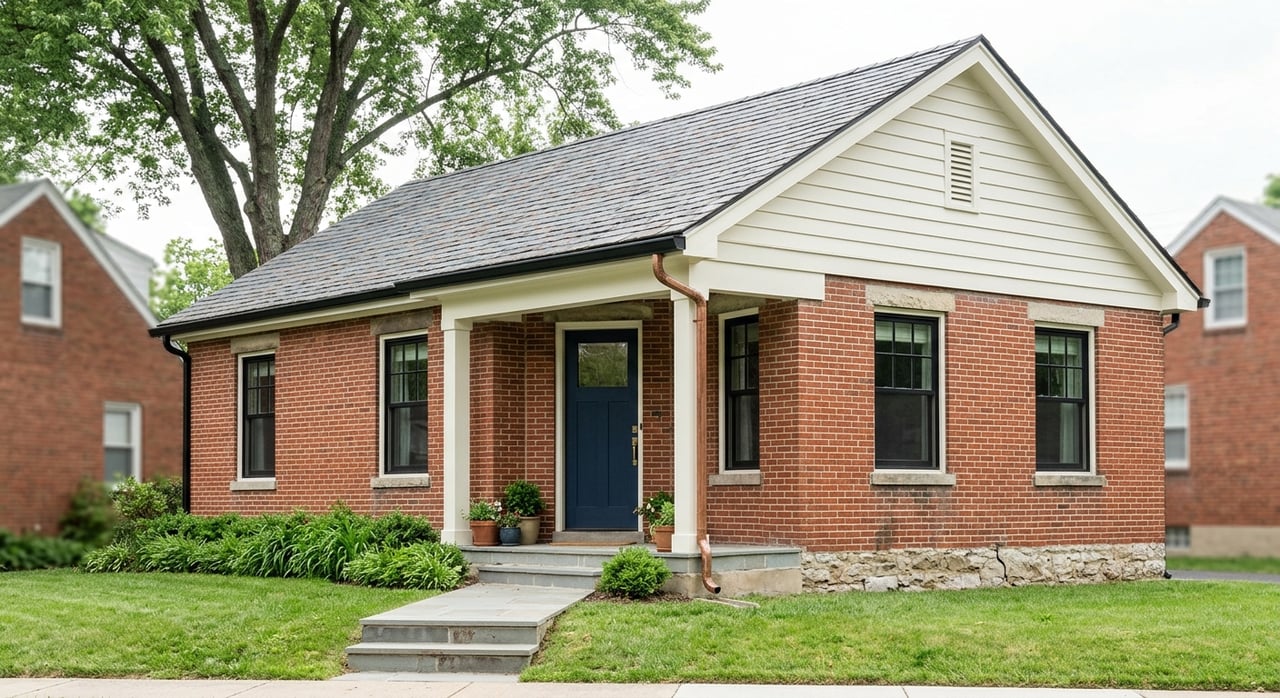
Buying your first home in Regent Square can feel exciting and a little tricky at the same time. You may love the neighborhood’s character, access to Frick Park, and East End location, but you also need to make smart decisions about budget, taxes, and inspections. The good news is that with the right plan, you can shop with more confidence and fewer surprises. Let’s dive in.
Why Regent Square Appeals to First-Time Buyers
Regent Square stands out for buyers who want a neighborhood with older-home charm and strong access to the East End. The City of Pittsburgh notes that the area shares space with Swissvale, Edgewood, and Wilkinsburg, and that no point in the neighborhood is more than 2,100 feet from Frick Park.
That park access matters if you want everyday convenience, outdoor space, and a neighborhood feel without leaving the city side of your routine behind. It also helps explain why Regent Square stays on many first-time buyers’ short list.
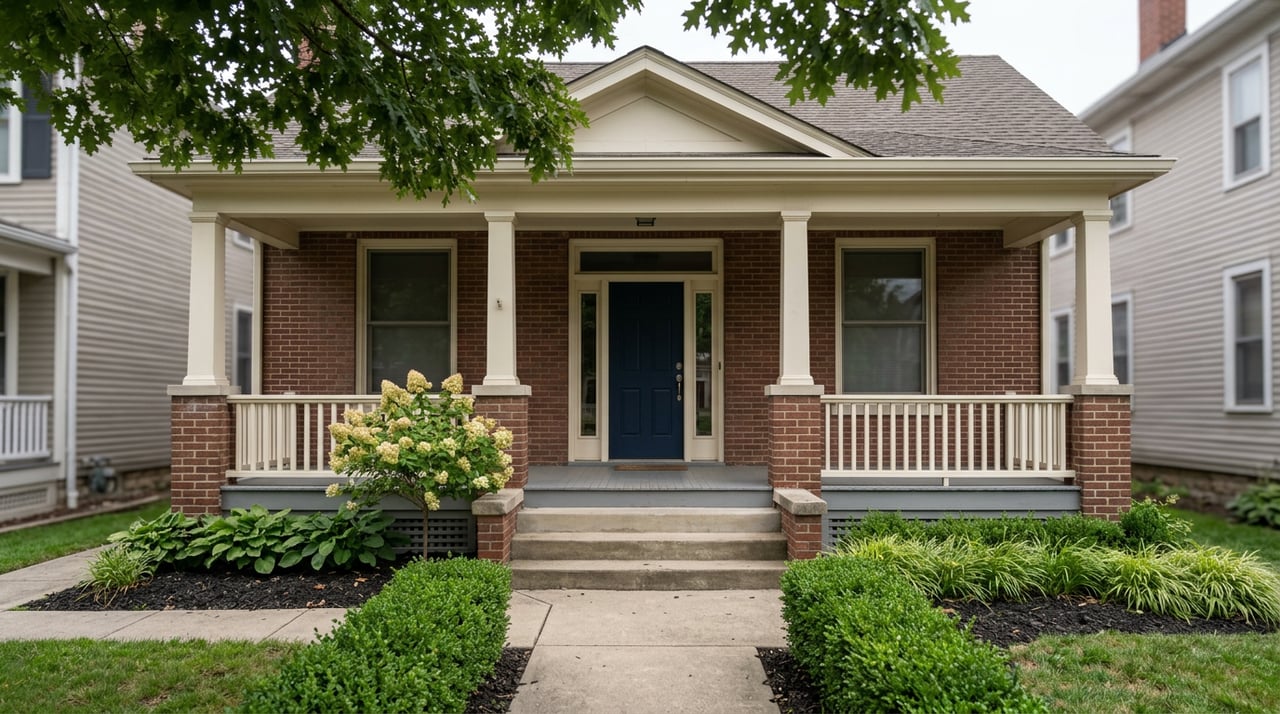
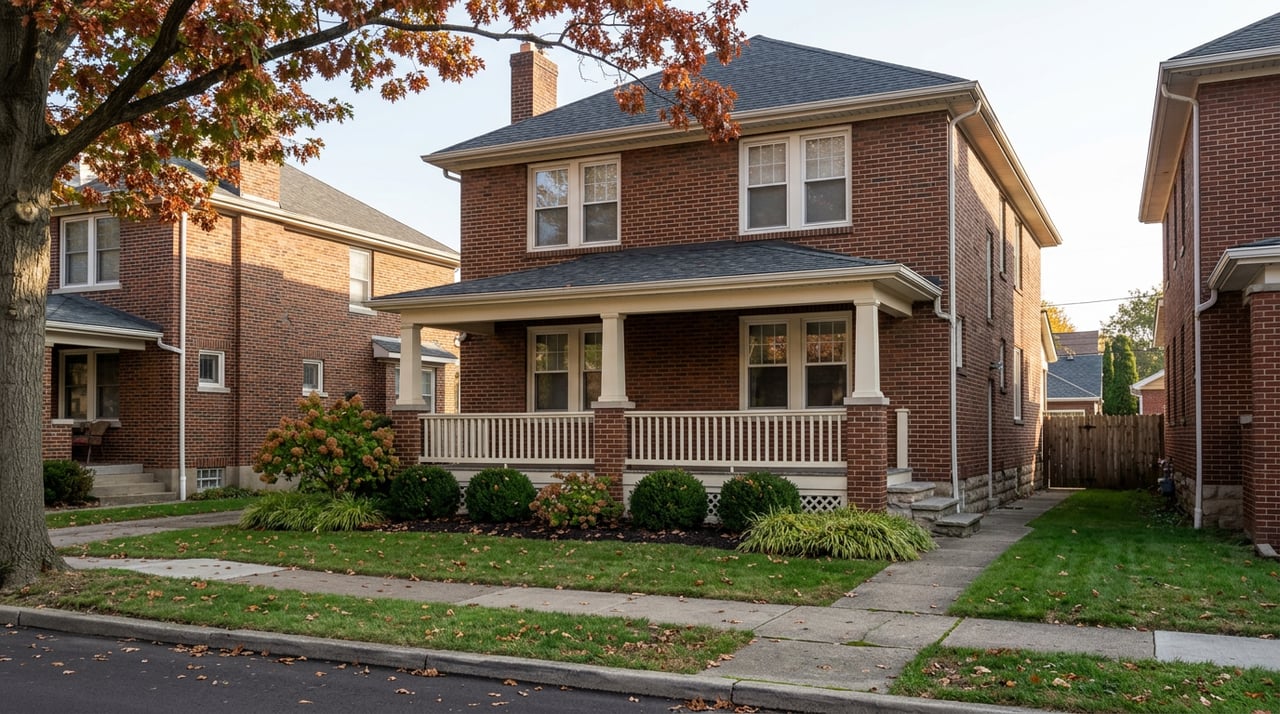
The neighborhood developed in the early 1900s, according to the city’s cultural heritage plan. That means you are usually looking at older brick and frame homes and apartment buildings, not new construction.
For you as a buyer, that creates a mix of opportunity and responsibility. You may find more architectural character and established streetscapes, but you also need to budget for the realities of older housing.
What Homes Cost in Regent Square
If you are trying to set a realistic first-time buyer budget, current market snapshots offer a helpful starting point. In March 2026, Regent Square had a median sale price of about $400,500, and homes took a median of 48 days to sell.
That does not mean every home costs around that number. In practice, Regent Square has a wide spread of prices, which can be good news if you are flexible.
Public listing examples showed options ranging from a $240,000 condo to houses listed at $340,000, $485,000, $535,000, $665,000, and $775,000. For many first-time buyers, the lower end of the market is often a smaller condo, a smaller house, or a home that needs updates.
Renovated detached homes often land in the mid-$400,000s and above. So instead of thinking of Regent Square as one price point, it is more accurate to think of it as a neighborhood where you may need to choose between a lower price and a more turnkey home.
How to Set a Smart Budget
A smart budget in Regent Square is about more than your purchase price. You also need to think through taxes, inspections, repairs, and the first few years of ownership.
That is especially important here because the neighborhood crosses municipal boundaries. Two homes with similar prices may have different tax situations depending on the exact address.
A strong first-time buyer budget should include:
- Your monthly mortgage payment target
- Property taxes based on the specific parcel
- Homeowners insurance
- Inspection costs
- A repair and maintenance cushion for an older home
- Potential near-term updates if the house is not fully renovated
This is where careful planning really pays off. A home that looks affordable at first glance may feel different once you account for taxes, upkeep, and system updates.
Why Property Taxes Need Extra Attention
Taxes are one of the biggest areas where first-time buyers can get tripped up in Regent Square. Because the neighborhood spans more than one municipality, you should not estimate taxes based only on the neighborhood name or ZIP code.
For homes inside the City of Pittsburgh, the city’s 2026 property tax worksheet lists a 9.67 mill city rate, and Allegheny County lists a 6.43 mill county rate. The city also states that real estate taxes are based on the county’s assessed value, not the listing price.
That distinction matters. A home listed at one price may have an assessed value that creates a very different tax bill than you expect.
Owner-occupants should also pay attention to homestead relief. The City of Pittsburgh lists a $15,000 homestead reduction for city and Carnegie Library taxes, while Allegheny County lists an $18,000 county-only exclusion.
These are separate programs, not conflicting ones. If you are comparing homes, make sure you verify the specific address, current assessed value, and whether you may qualify for owner-occupant relief.
What to Expect From Older Homes
Regent Square’s housing stock is a big part of its appeal, but it also shapes what you need to investigate before you buy. With early-20th-century homes, due diligence should go far beyond cosmetic finishes.
A charming porch, original trim, or a beautiful brick exterior can be a big draw. Still, what matters just as much is what it may cost to keep the property safe and functional over the next five to ten years.
That does not mean every older home has major problems. It does mean you should approach inspections with care and realistic expectations.
Lead Paint in Pre-1978 Homes
If a home was built before 1978, lead-based paint is an important issue to keep in mind. EPA guidance says homes built before 1978 are more likely to contain lead-based paint, and sellers of most pre-1978 homes must disclose known lead information before a sale.
Lead paint can be especially relevant on older surfaces that wear or rub, such as windows and doors. If you are buying an older home, this is part of normal due diligence, not a reason to panic.
Radon Testing in Pennsylvania
Radon should be treated as a routine part of your inspection process in this area. The Pennsylvania DEP says radon is odorless and invisible, and that about 40% of homes tested in Pennsylvania are above the EPA action guideline of 4 pCi/L.
For a Regent Square buyer, a basement radon test is a practical step. It is one of the clearest examples of why inspections should focus on health, safety, and long-term ownership costs, not just appearance.
Asbestos and Renovation Risk
If a home has original materials or you plan to renovate, asbestos can also become part of the conversation. EPA guidance notes that materials such as floor tile, ceiling tile, shingles, siding, or pipe wrap may need testing if they are damaged or would be disturbed during renovation.
This matters because many first-time buyers try to improve a home over time. Even simple cosmetic updates can uncover issues that affect timing and budget.
How Competitive the Market Feels
Regent Square is considered a somewhat competitive market. With homes selling in a median of 48 days and selling for approximately asking on average in March 2026, buyers should be ready to move efficiently when the right property appears.
That does not always mean you need to rush into a bad decision. It means you should be prepared before you start touring seriously.
Preparation can help you act quickly without skipping important safeguards. In a neighborhood with older homes, that balance matters.
Building a Competitive but Safe Offer
For many first-time buyers, the goal is not just to win a house. It is to win the right house without creating avoidable risk.
In Regent Square, a competitive but safer offer often includes:
- A strong pre-approval
- Earnest money that shows you are serious
- Inspection terms that fit the property instead of waiving protections outright
- A clear understanding of your top budget limit before you offer
Because of the age of the housing stock, waiving inspections can expose you to major unknowns. A more thoughtful strategy is often to stay competitive in price and terms while still protecting yourself on key condition issues.
Tradeoffs First-Time Buyers Often Make
Most first-time buyers in Regent Square are balancing several goals at once. You may want location, charm, and manageable monthly costs, but you may not get all three in exactly the same property.
Common tradeoffs include:
- Choosing a condo instead of a detached home to enter the neighborhood at a lower price
- Buying a smaller house to stay within budget
- Accepting cosmetic or mechanical updates in exchange for a better location
- Paying more for a home with newer systems and fewer near-term repairs
There is also a practical tradeoff between convenience and complexity. Regent Square offers strong park access and a well-known neighborhood business district, but the split-municipality layout can make taxes, permits, and local rules more complicated than in a neighborhood fully within one jurisdiction.
A Practical First-Time Buyer Strategy
If Regent Square is high on your list, the smartest approach is usually a disciplined one. Start with a budget that accounts for taxes and upkeep, not just your mortgage payment.
Then narrow your search based on the kind of compromise you are most comfortable making. You may decide that a smaller turnkey condo fits you better than a detached house that needs work, or that a home needing updates is worth it for the location and character.
Most of all, keep your decision grounded in the specific property. In Regent Square, two homes can feel similar on the surface but have very different ownership costs and inspection stories.
If you want help evaluating Regent Square homes with a sharp local eye and a strong financial lens, Kate White Real Estate can help you make a confident first move.
FAQs
What is the typical home price for first-time buyers in Regent Square?
- Regent Square had a median sale price of about $400,500 in March 2026, but listing examples showed a wide range from around $240,000 for a condo to much higher prices for larger or more updated houses.
Why do property taxes vary so much for Regent Square homes?
- Regent Square crosses multiple municipalities, so tax bills can vary by exact address, assessed value, and whether the property qualifies for owner-occupant homestead relief.
What inspections matter most for older Regent Square homes?
- For many older homes in Regent Square, buyers should pay close attention to general condition, radon testing, lead paint issues in pre-1978 homes, and possible asbestos concerns if original materials may be disturbed.
Is Regent Square competitive for first-time home buyers?
- The market is considered somewhat competitive, with homes taking a median of 48 days to sell and selling for approximately asking on average in March 2026.
Should first-time buyers waive inspections on Regent Square homes?
- Given the neighborhood’s older housing stock, a safer approach is usually to keep inspection protections that fit the property rather than waiving them outright.
What makes Regent Square appealing to first-time buyers in Pittsburgh?
- Many buyers are drawn to Regent Square for its East End access, proximity to Frick Park, and early-1900s housing character, especially if they are comfortable balancing charm with upkeep and careful budgeting.