If you have your eye on a historic home in Highland Park, you already know the appeal is hard to fake. Tree-lined streets, distinctive architecture, and a location beside one of Pittsburgh’s signature parks make this neighborhood feel different from almost anywhere else in the East End. The challenge is that buying here takes more than falling in love with stained glass or a grand front porch. You need to know how to judge condition, value, and risk before you write an offer. Let’s dive in.
Why Highland Park stands out
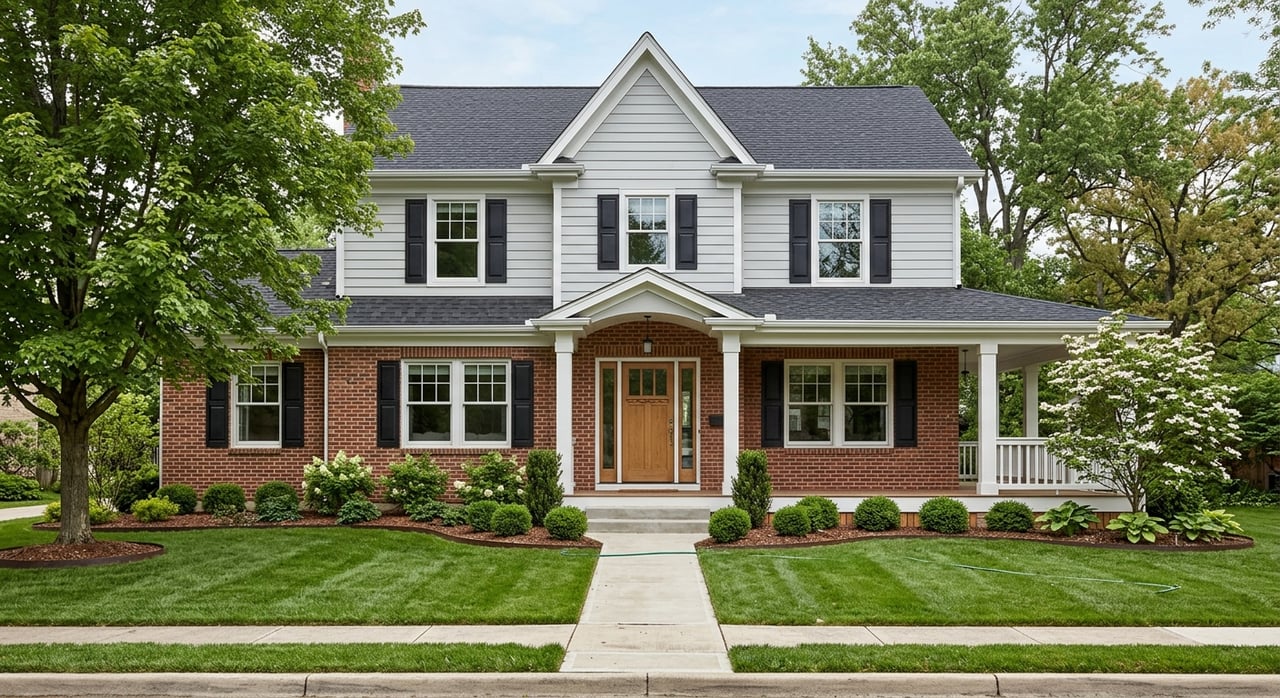
Highland Park is not just another older Pittsburgh neighborhood. It is a National Register historic district, with listed architectural styles that include Colonial Revival and Tudor Revival and a broader mix that also includes Queen Anne, Italianate, Second Empire, and Richardsonian Romanesque examples.
Much of the neighborhood was built between 1900 and 1930, and that shows up in the housing stock. You will often see original details, larger facades, and layouts shaped by a different era of homebuilding. That character is a big reason buyers target Highland Park specifically instead of treating it like a generic East End search.
The neighborhood also benefits from its setting next to the 748-acre Highland Park. The park includes the Reservoir Loop, trails, a pool, a bike track, and the Pittsburgh Zoo and Aquarium. For many buyers, that access to outdoor space is part of what makes the area so compelling.
What the market says now
Highland Park is competitive, but it is not a market where every house automatically sparks a bidding war. Recent market data shows a median sale price of $449,849 over the last three months, median days on market of 148, and a sale-to-list ratio of 98.9%.
That matters because it points to a more nuanced market. About 30.7% of homes sold above list price, while 30.4% had price drops. In other words, the neighborhood name helps, but condition and pricing still drive outcomes.
For you as a buyer, that is useful. It means you should not assume you have to overpay just to get in. It also means you need to quickly identify which homes are truly worth stretching for and which ones need a more disciplined number.
Know what you are really buying
A historic home can be beautiful and still come with major repair needs. In Highland Park, that is especially important because many homes are more than 75 years old, and some are much older.
The first issue to keep in mind is lead-based paint. The EPA notes that the older the home, the more likely it is to contain lead-based paint, and pre-1978 paint that gets disturbed during renovation or repair must be handled using lead-safe certified practices.
That has a practical impact on your budget. If you are planning to refinish trim, open walls, replace windows, or tackle cosmetic updates soon after closing, those costs and timelines should be part of your decision before you submit an offer.
Moisture should be a top concern
In older homes, moisture is often the issue that causes the most damage over time. National Park Service guidance for historic buildings identifies unwanted moisture as the most common cause of deterioration and stresses finding the source before choosing a fix.
That advice matters even more in Highland Park because current neighborhood risk data flags a major flood risk, with an estimate that 9% of properties face severe flooding over the next 30 years. That does not mean every house has the same exposure, but it does mean you should pay close attention to signs of water issues.
When you walk a home, look carefully at:
- Basement moisture or staining
- Downspouts and roof drainage
- Grading around the foundation
- Foundation walls and cracks
- Evidence of prior water intrusion
- Any seller history related to seepage or flooding
A dry-looking basement on showing day is not the whole story. In a neighborhood of older homes, drainage patterns, deferred maintenance, and prior repairs can make a huge difference in long-term ownership costs.
Historic details need thoughtful review
One of the best parts of buying in Highland Park is the original character. The same features that make a home memorable, though, can also change the repair picture.
Historic windows are a good example. National Park Service guidance notes that older windows often can be repaired and improved with weatherstripping or storm windows rather than automatically replaced. That means original windows are not always a problem, but they do need to be evaluated carefully.
The same goes for stained or leaded glass. Preservation guidance cautions that protective glazing can create moisture and heat problems if handled poorly. If a home has specialty historic features, you want to understand their condition and likely maintenance needs before you commit.
Build a smarter due-diligence plan
In Highland Park, a basic inspection is often not enough. A better approach is to treat due diligence as a package tailored to the age and features of the house.
That often means looking beyond the standard checklist and focusing on the systems and materials most likely to affect ownership costs. The goal is not to talk yourself out of an older home. It is to go in with clear eyes.
A strong due-diligence plan may include review of:
- General home inspection findings
- Lead-related renovation considerations
- Moisture and drainage issues
- Roof condition
- Masonry condition
- Window condition and repair needs
- Specialty historic features such as stained or leaded glass
This is where a buyer benefits from practical guidance, not just access to listings. In a neighborhood with wide condition differences, good advice can help you separate a manageable project from a money pit.
Write an offer based on the house
Highland Park sales data makes one thing clear: there is no single offer formula that works for every property. Some homes close well above list, while others sell below it.
Recent examples show that range clearly. 900 Wellesley Rd sold for $625,000, or 15% over list, while 6031 Bunkerhill St sold 12% under list. 6123 Callery St sold 3% under list, and 6113 Grafton St sold 2% over list.
That variation tells you to focus on the specific home, not just the ZIP code. Renovation level, layout, parking, and deferred maintenance all influence what a winning number looks like.
What a competitive offer can include
Current neighborhood trends suggest that buyers should usually think in terms of a balanced offer, not an automatic overbid. Redfin reports that the average Highland Park home sells about 3% below list and goes pending in around 118 days, while hotter homes can sell about 1% above list and go pending in about 48 days.
In practice, that often means being strong where it counts while staying careful where it matters. A smart offer may include:
- A clean financing package
- Earnest money that shows seriousness
- A closing timeline that fits the seller’s needs
- Inspection protections narrow enough to stay competitive but broad enough to protect you from major surprises
This is where financial discipline matters. The right strategy is not about being aggressive for the sake of it. It is about understanding when to press and when to hold your line.
Historic status can mean different things
Buyers often hear that a home is “historic” and assume that means one set of rules applies. In reality, you need to verify what designation applies to the specific property.
The National Register listing itself does not place federal restrictions on what a private owner may do unless federal funding or permitting is involved. By contrast, City of Pittsburgh historic designation can trigger review of visible exterior alterations, demolition, additions, and new construction by the Historic Review Commission.
That distinction matters if you are planning updates. Before you assume a renovation will be simple or restricted, confirm the property’s actual designation and what it means for your plans.
Use comps carefully in Highland Park
Highland Park has a wide price spread, which is why broad averages only tell part of the story. The median sale price per square foot is currently $291, but recent sales show a much wider range depending on house type, size, and condition.
Excluding the $150,000 outlier sale at 811 Farragut St, recent sales suggest roughly $247 to $393 per square foot. That is a big range for one neighborhood, and it shows why true apples-to-apples comparisons matter.
Here is a snapshot of recent sold prices:
| Home | Sale Price | Notes |
|---|---|---|
| 6526 Jackson St | $282,000 | 3 bd / 1 ba / 1,140 sf; 3% under list |
| 6113 Grafton St | $535,500 | 3 bd / 2 ba / 1,596 sf; 2% over list |
| 900 Wellesley Rd | $625,000 | 4 bd / 3 ba / 2,451 sf; 15% over list |
| 6123 Callery St | $775,000 | 6 bd / 2.5 ba / 2,660 sf; 3% under list |
| 1010 Farragut St | $810,000 | 5 bd / 3.5 ba / 2,565 sf; 1% over list |
| 919 Heberton St | $1,100,000 | 5 bd / 3.5 ba / 2,800 sf; 4% under list |
The takeaway is simple. In Highland Park, value is driven less by the historic label alone and more by renovation quality, floor plan usefulness, parking, lot, and how much work the next owner is taking on.
Winning here means balancing heart and math
It is easy to fall for a Highland Park home on emotion alone. The architecture, mature streetscape, and park access can make the right house feel special the moment you walk in.
But the best outcomes usually come when you pair that emotional pull with careful analysis. If you understand the home’s condition, review the right comps, and structure an offer around real market behavior, you give yourself a much better chance of winning the house without regretting the deal.
If you are planning a move in Highland Park or anywhere in Pittsburgh’s East End, Kate White Real Estate can help you evaluate older homes, price your offer thoughtfully, and move forward with confidence.
FAQs
What makes Highland Park historic homes unique in Pittsburgh?
- Highland Park is a National Register historic district with a housing stock known for Colonial Revival, Tudor Revival, and other early 20th-century architectural styles, plus strong access to the adjacent 748-acre park.
What should you inspect first in a Highland Park historic home?
- You should pay close attention to lead-related renovation concerns, moisture, basement and drainage conditions, roof and masonry issues, windows, and any specialty historic features.
Do Highland Park homes always sell over asking price?
- No. Recent sales show a mix of over-list and under-list results, which suggests pricing depends heavily on the specific home’s condition, updates, and overall appeal.
What does historic designation mean for a Highland Park buyer?
- It depends on the property. National Register status alone does not automatically restrict a private owner’s changes, while City of Pittsburgh historic designation can require review for certain exterior work.
How do you value a home in Highland Park accurately?
- You need comparable sales that closely match the home’s type, condition, size, parking, lot, and street because recent pricing in the neighborhood shows a very wide range.
Is flood risk something to consider in Highland Park?
- Yes. Current neighborhood risk data flags a major flood risk, so buyers should take basement moisture, drainage, grading, and any prior water intrusion history seriously during due diligence.