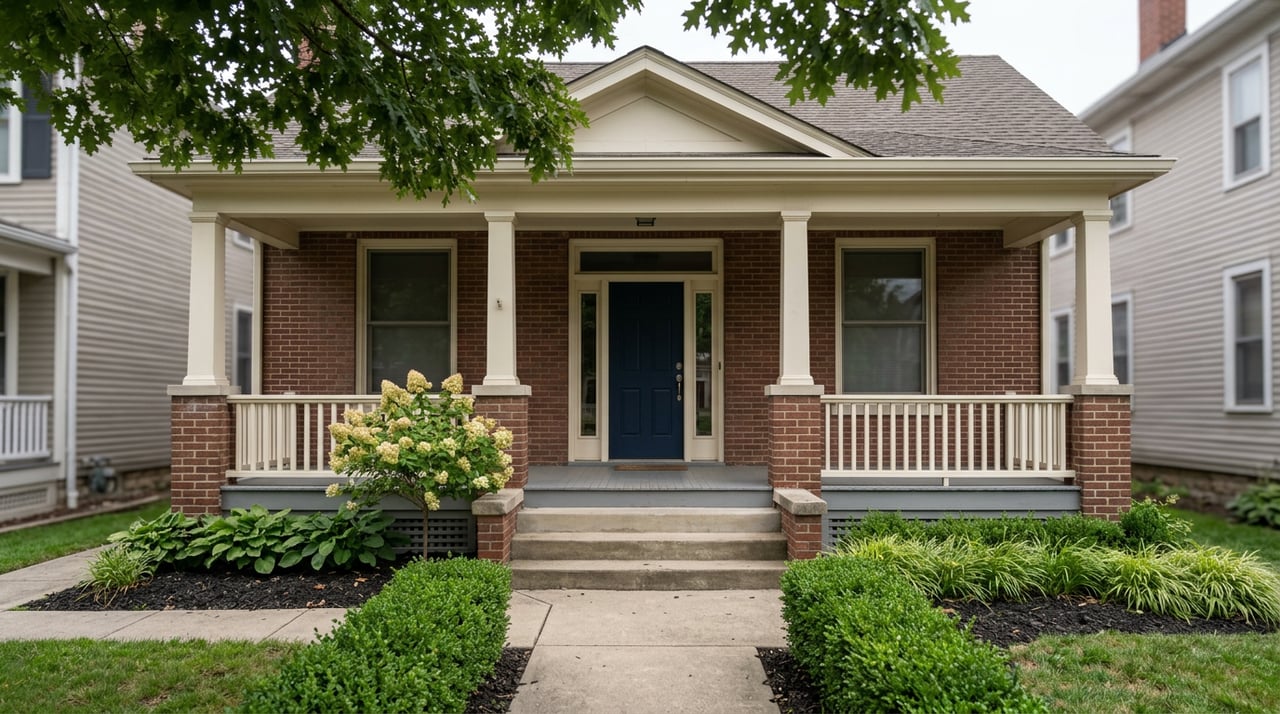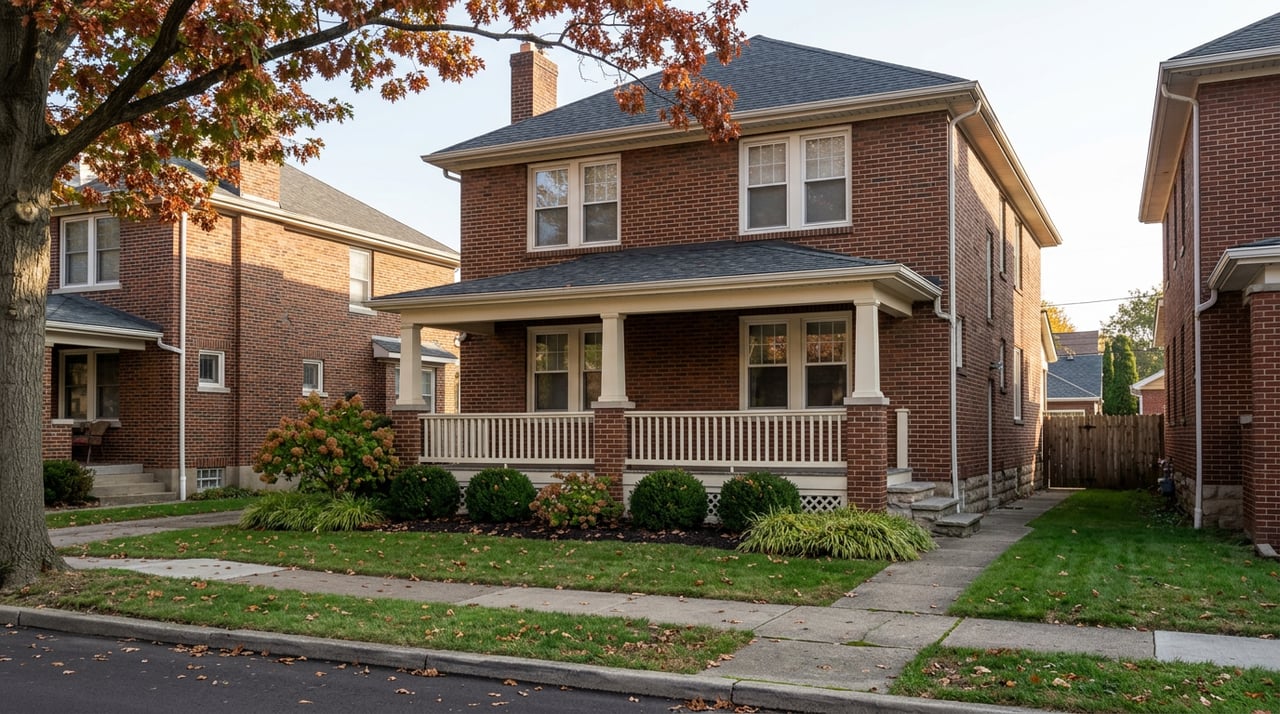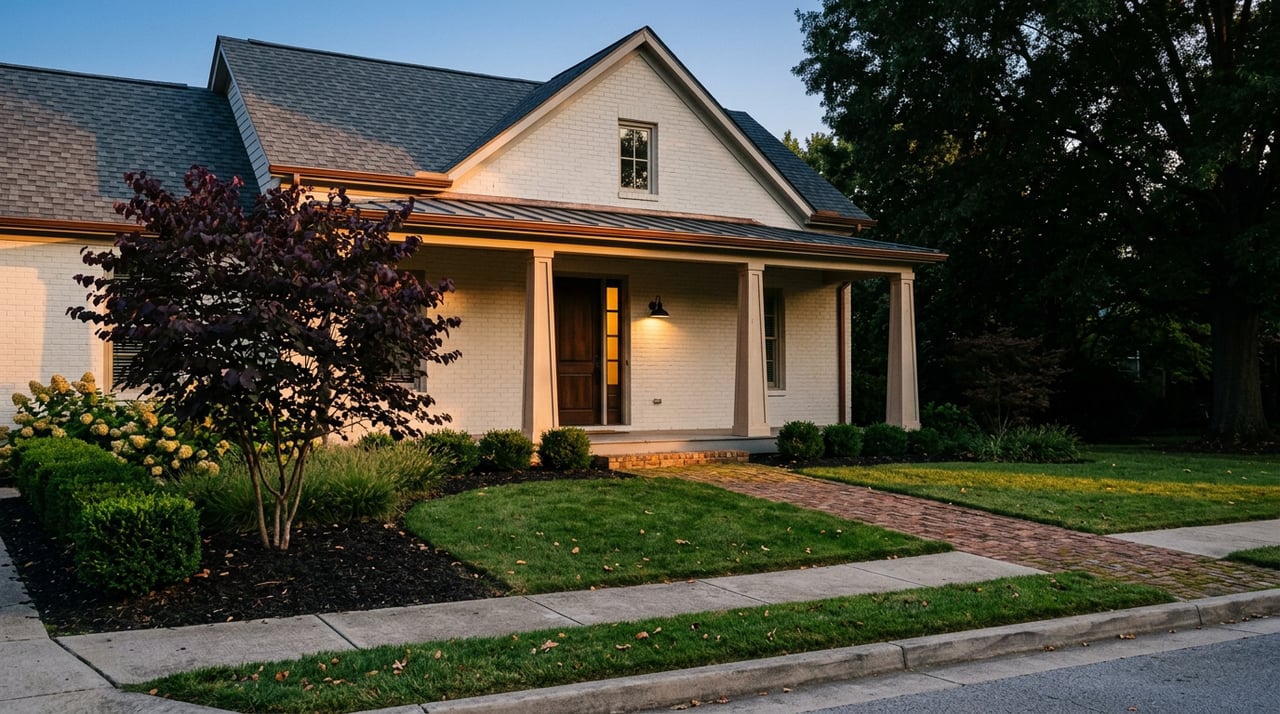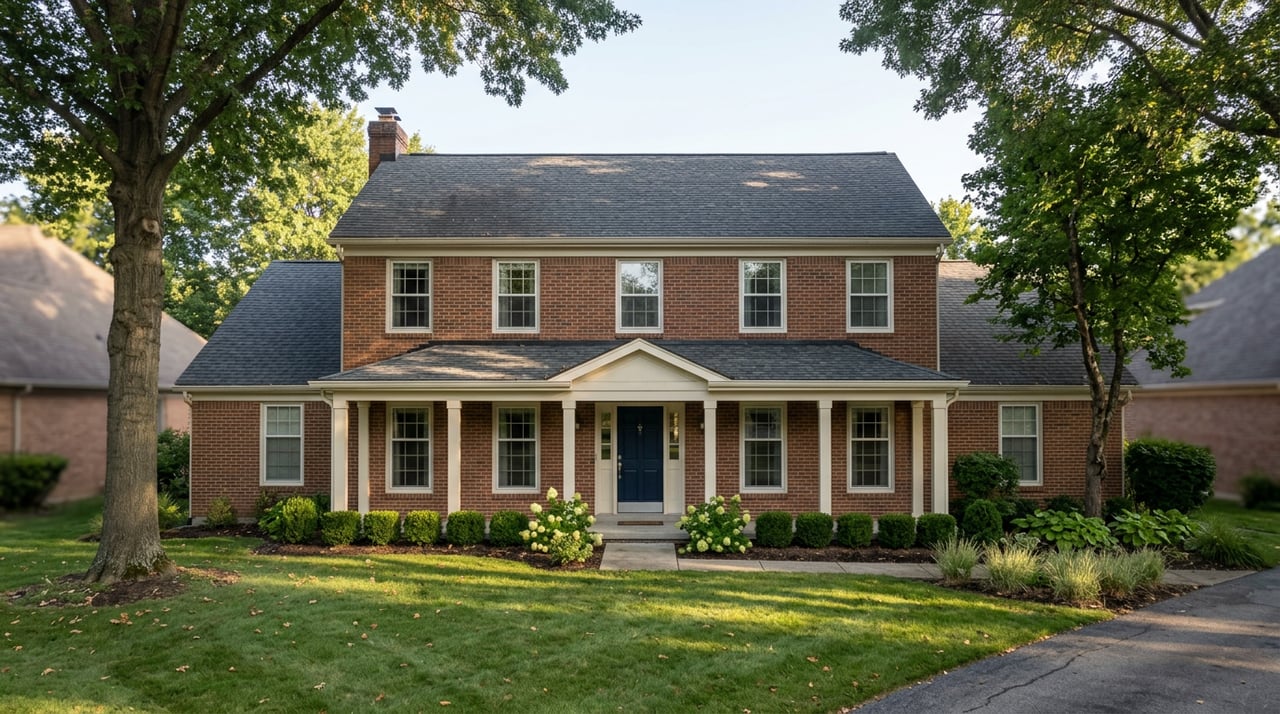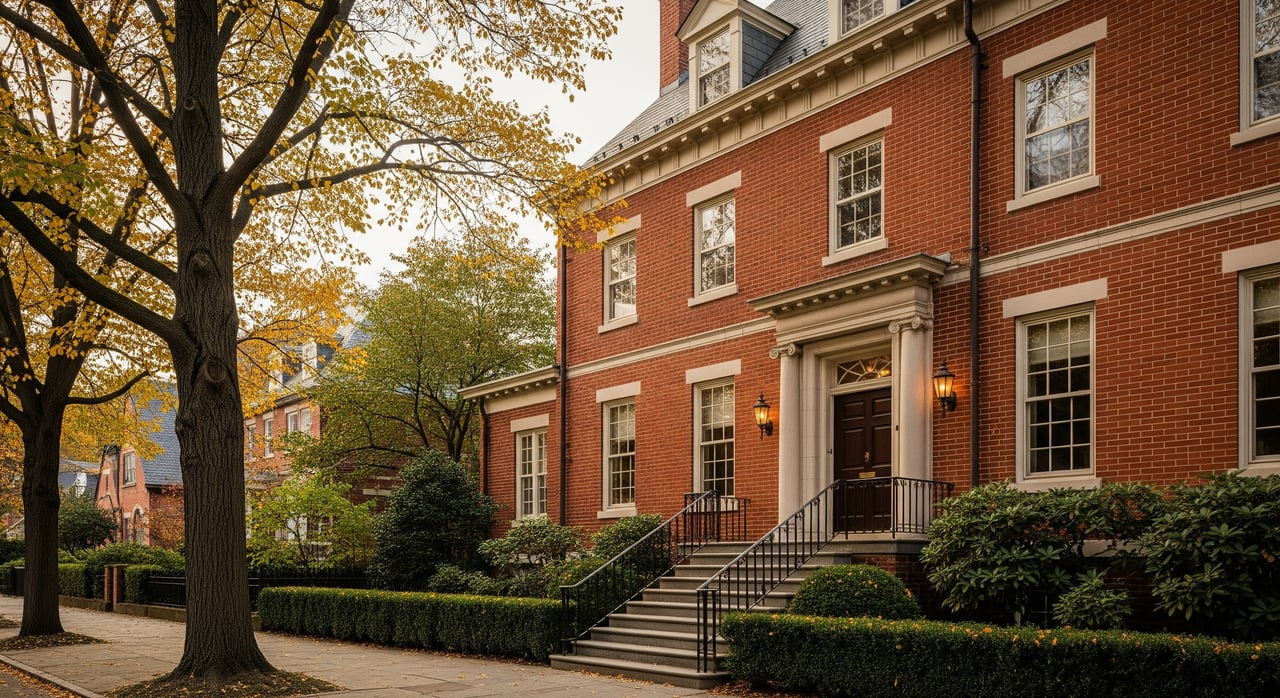
Buying a charming older home in Highland Park can feel exciting and a bit nerve‑wracking. You love the tree‑lined streets and historic details, but you also want smart protections as you make an offer. The right contingencies help you assess condition, secure financing, and manage risk without losing your edge in a competitive market. In this guide, you’ll learn how inspection, appraisal, financing, and home‑sale contingencies work in Highland Park, plus practical timelines and tactics to keep your offer strong. Let’s dive in.
What a contingency is
A contingency is a condition in your purchase contract that must be met for the sale to move forward. If a contingency is not satisfied, you typically have the right to renegotiate or cancel within the agreed deadline. Used well, contingencies protect you while still signaling seriousness to the seller.
Why it matters in Highland Park
Highland Park has many homes from the late 19th and early 20th centuries. Older construction often means aging systems, potential historic features, and deferred maintenance. Contingencies help you verify condition, align the property with your financing, and plan for repairs without surprises.
Inspection contingency essentials
An inspection contingency gives you a set window to complete inspections and decide whether to request repairs, ask for a credit, accept the home as is, or terminate.
- Typical window: 5 to 10 business days. If you plan multiple specialists, schedule immediately and allow enough time.
- Scope: general home inspection plus targeted tests where appropriate.
- Focus: prioritize health, safety, and major systems over cosmetic issues.
Recommended specialty inspections for older homes
- Lead-based paint testing for pre‑1978 homes and review of the seller’s disclosures. Federal rules require the EPA pamphlet and a 10‑day opportunity to inspect unless you waive it. Learn more from the EPA lead-based paint disclosure rules.
- Radon testing is common in Pennsylvania. See the EPA radon guidance for why a simple test matters.
- Sewer lateral camera scope to check older clay lines for root intrusion or blockages.
- Electrical safety evaluation to identify knob‑and‑tube wiring or outdated panels.
- Chimney, roof, porch, and foundation checks for older masonry and slate or tile roofs.
Permits, records, and historic checks
Before your inspection window closes, look into local records that can flag unpermitted work or future improvement constraints.
- Search the City of Pittsburgh Department of Permits, Licenses & Inspections for permit history and code requirements.
- Review Allegheny County property assessment records for parcel data, assessed values, and prior sales.
- If exterior changes are planned and the property is in a local historic district, consult the Pittsburgh Historic Review Commission.
After the inspection
If issues arise, you can:
- Request seller repairs focused on safety or major systems.
- Seek a seller credit or price reduction so you can manage the work after closing.
- Accept the home as is with an informed plan.
- Terminate within your contingency window if permitted by your contract.
Appraisal contingency basics
An appraisal contingency protects you if the lender’s appraised value comes in below the contract price. Your lender bases the loan on the lower of the purchase price or appraised value. If there is a shortfall, you either cover the difference with cash or renegotiate.
Older-home considerations
Appraisers compare recent sales and adjust for condition. Historic details, unusual layouts, or significant deferred maintenance can challenge value. If you waive or cap the appraisal contingency, be ready to fund any gap.
Strategies for appraisal gaps
- Keep an appraisal contingency with a cap and agree to cover a specific dollar amount over the appraised value.
- If competition demands it, document funds to cover a gap while still preserving other protections.
- Request a price adjustment or seller credit if the appraisal is low.
Financing contingency clarity
A financing contingency allows you to cancel if you cannot obtain a loan on agreed terms by a deadline. Strengthen your position by getting as far along in underwriting as possible before you write an offer.
- Pre‑qualification: early estimate based on self‑reported info. Weakest.
- Pre‑approval: documents reviewed. Stronger.
- Fully underwritten approval: conditional commitment pending appraisal and title. Strongest.
Loan types and property condition
- FHA and VA loans require homes to meet minimum property standards focused on safety and livability. Be sure the home’s condition aligns with your loan type.
- If the home needs work, renovation financing can help. Explore FHA 203(k) rehabilitation loans. For VA loans, review the VA minimum property requirements with your lender.
Timelines to expect
Financing deadlines often range from 21 to 45 days, depending on lender and loan type. If you are fully underwritten, you may be able to shorten your financing contingency to stay competitive.
Home‑sale contingency options
A home‑sale contingency makes your purchase dependent on selling your current home. In active Highland Park markets, sellers tend to prefer offers without this contingency, but there are ways to make it more acceptable.
- Use a kick‑out clause that lets the seller keep marketing the home and gives you a short window to remove the contingency if another offer appears.
- Consider a bridge loan or HELOC, or a shorter contingency period with proof that your current home is listed.
- Pair with strong financing documentation and clear timelines.
Older-home red flags to plan for
- Lead-based paint in pre‑1978 homes. Keep the testing window unless you are fully comfortable with the risks.
- Radon. A two‑day test during your inspection period is common in Pennsylvania.
- Electrical. Knob‑and‑tube, old fuse panels, and mixed wiring can trigger lender or insurance requirements.
- Plumbing and sewer lines. Galvanized supply lines and older lateral pipes may need replacement.
- Structure and exterior. Masonry foundations, original porches, slate roofs, and chimneys benefit from specialist evaluations.
- Potential hazardous materials. Some older materials or heating systems may require remediation or upgrades.
- Unpermitted work and historic rules. Check permits and historic status early to avoid surprises.
Smart ways to strengthen your offer
You can keep protection and still compete.
- Shorten windows. If feasible, reduce an inspection period from 10 to 5 business days by pre‑booking inspectors.
- Ask for informational inspections only, then focus requests on true safety or system issues.
- Offer clear appraisal gap coverage with documented funds.
- Use fully underwritten approval to shorten the financing timeline.
- Increase earnest money and deposit quickly to show commitment.
- Negotiate credits instead of repairs so the seller avoids scheduling contractors before closing.
Sample Highland Park contingency timeline
- Day 0: Offer accepted. Schedule general inspection, radon test, and any specialists immediately.
- Days 1–5: Complete general inspection and radon test. Order sewer scope, chimney, roof, or electrical as needed.
- Day 5–10: Review reports, request repairs or credits, or proceed as is. Finalize inspection decisions before the deadline.
- Week 1–2: Lender orders appraisal. Be ready to address any value gap.
- Week 3–6: Loan underwriting and commitment. Clear any loan conditions.
- 24–72 hours before closing: Final walkthrough. Confirm repairs or property condition.
Quick buyer checklist
- General home inspection scheduled Day 1.
- Radon test during inspection window.
- Lead-based paint disclosures reviewed; testing if pre‑1978.
- Sewer lateral camera scope if lines are older or backups suspected.
- Electrical, chimney, roof, and HVAC specialists as indicated.
- Permit and property records review via PLI and County assessment.
- Appraisal contingency plan and any appraisal gap coverage.
- Loan type confirmed with your lender, including any property condition requirements.
- Strategy for any home‑sale needs, such as a kick‑out clause.
Lean on a local advisor
You do not have to navigate this alone. With deep East End knowledge and a financial lens on risk, timelines, and value, you can structure contingencies that protect you and still win the house you love. If you are eyeing a historic gem in Highland Park, let a trusted local guide coordinate inspectors, lenders, and strategy so you move from offer to keys with confidence.
Ready to plan your offer? Connect with Kate White Real Estate for tailored guidance on inspections, financing, and negotiation for Highland Park homes.
FAQs
How long should a Highland Park inspection window be?
- Typically 5 to 10 business days. If you need multiple specialists, schedule immediately and allow enough time to review findings before your deadline.
Do older Highland Park homes appraise lower?
- Appraisals reflect comparable sales and condition. Unique layouts or deferred maintenance can affect value, so plan for an appraisal gap strategy or renegotiate if needed.
Should I waive contingencies to compete in Highland Park?
- Waiving increases risk. Consider shorter windows, fully underwritten financing, or a capped appraisal gap rather than removing protections entirely.
Which inspections matter most for older homes?
- A general inspection plus targeted checks for lead, radon, electrical safety, sewer lateral, chimney, roof, and structure based on the property’s age and signs of wear.
What if the seller refuses inspection repairs?
- Prioritize health and safety. You can request credits, adjust price, accept the home as is with a plan, or walk away if your contract allows within the contingency period.