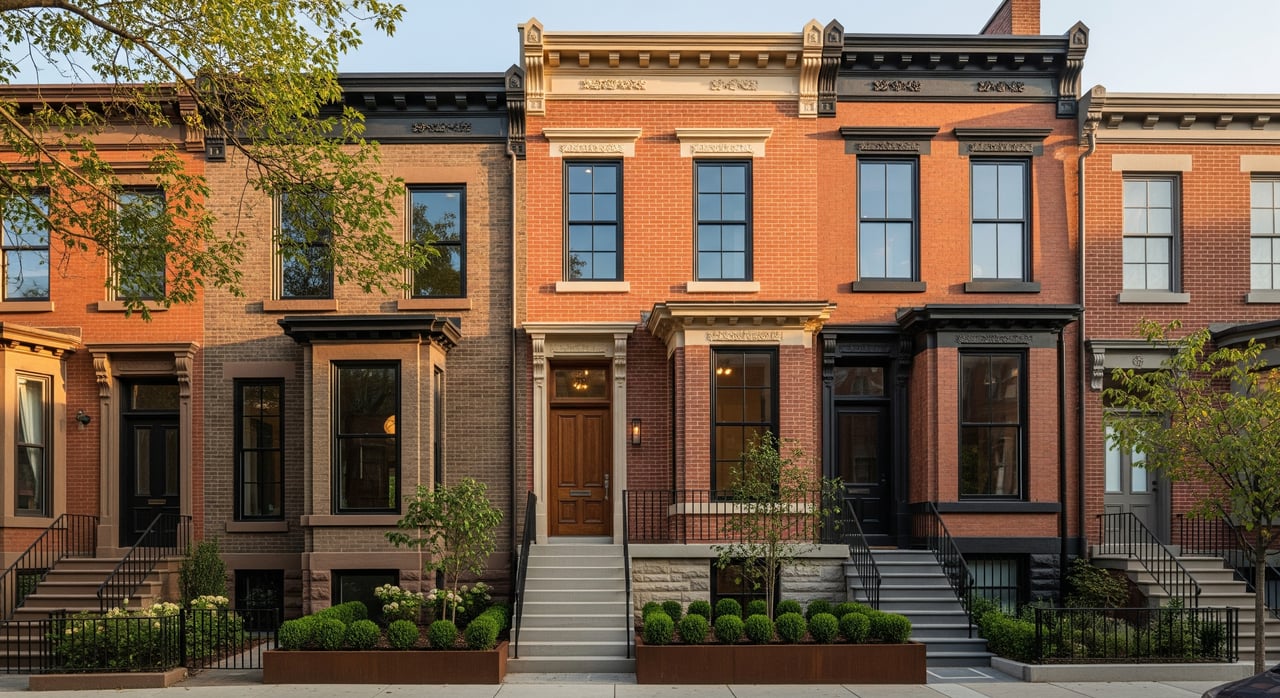
Thinking about listing your Shadyside home this spring? Winter is the perfect window to tackle value-adding projects while contractors are more available and buyer traffic is lighter. You want updates that respect historic character, boost daily livability, and photograph beautifully. In this guide, you’ll learn which renovations resonate with Shadyside buyers, how to budget, and a realistic winter-to-spring timeline that gets you market-ready on schedule. Let’s dive in.
What Shadyside buyers want
Shadyside’s homes often feature original wood moldings, hardwood floors, bay windows, decorative fireplaces, and brick façades. Buyers come here for walkability and that classic architecture, so preserving character matters. At the same time, they expect functional updates.
Across young professionals, medical and university staff, small families, and downsizers, top priorities include updated kitchens and baths, good natural light, reliable mechanical systems, and low-to-moderate exterior maintenance. Off-street parking helps but is not always available, so first impressions and interior upgrades carry extra weight.
Over-modernizing with finishes that fight your home’s period lines can turn off buyers. You’ll get better results when you enhance function and comfort while keeping sight lines, trim, and proportions intact.
Kitchens that sell
A refreshed kitchen is often the top value driver in Shadyside. The goal is modern function that feels at home with older architecture.
Cosmetic kitchen refresh
For many sellers, a cosmetic update delivers the highest value per dollar. Consider painting or refacing cabinets, replacing counters with quartz or butcher block, updating the backsplash, and upgrading lighting and faucet. Swapping in a midrange appliance or two can complete the look without a full gut.
In narrow rowhouse kitchens, focus on efficient storage, under-cabinet lighting, and lighter cabinet tones that help the room feel open. These projects are well suited to winter and usually come together with minimal disruption.
When to remodel
If your layout is dysfunctional or cabinets are at the end of life, a midrange remodel can make sense. Going to the ceiling with new cabinetry and rethinking work zones can improve daily use and appeal. Keep appliance sizes proportionate to the room and choose finishes that complement original woodwork and floors.
In a character-rich neighborhood, you will often recoup more with a tasteful, moderate scope than a statement luxury overhaul that clashes with the home’s style.
Bathrooms with big impact
Bathrooms are compact spaces where smart choices pay off. Many buyers prioritize clean, bright baths over luxury indulgences.
Refreshes that pay off
Replace a dated vanity and countertop, retile or regrout, install clear glass shower doors, and improve lighting and ventilation. These changes read as clean and move-in ready in listing photos and showings.
Historic-friendly choices
When possible, retain a clawfoot tub or original tile if it is in good condition. If replacement is necessary, choose simple, sympathetic fixtures or period-appropriate styles. Aim for a timeless palette that lifts the space without overpowering original details nearby.
Preserve character, add comfort
Shadyside buyers value original features. Preservation-minded updates keep that charm front and center while solving for draft, light, and daily use.
Keep and restore original details
Refinish hardwood floors rather than replace. Repair and repaint moldings and built-ins. If possible, retain original doors and hardware. Integrate classic-style lighting and hardware that ties the old and new together.
Smart window strategies
Where feasible, repair and weatherstrip original windows to preserve exterior appearance. Add interior storm windows for efficiency without changing the façade. If replacement is necessary, use historically compatible double-glazed units that suit the home’s style.
Energy and mechanical upgrades
Older Shadyside homes can be drafty and costly to heat. Buyers will notice and appreciate sensible efficiency improvements and reliable systems.
Insulation and air sealing
Attic and rim-joist insulation, along with air sealing around windows and doors, can make a big difference in comfort and utility costs. These are quick projects that fit nicely into a winter schedule and pay off in marketing.
HVAC and hot water
Servicing or replacing an aging system builds buyer confidence. High-efficiency furnaces and heat pumps, including mini-splits for targeted comfort, are increasingly popular. Upgrading to a high-efficiency or tankless water heater can also be a plus. List these improvements clearly in your marketing.
Electrical and laundry convenience
Modern kitchen circuits, updated panels where needed, and in-unit laundry are convenience features buyers expect. If you can add laundry or optimize storage with smart closets or built-ins, you increase daily livability and perceived value.
Curb appeal and exterior fixes
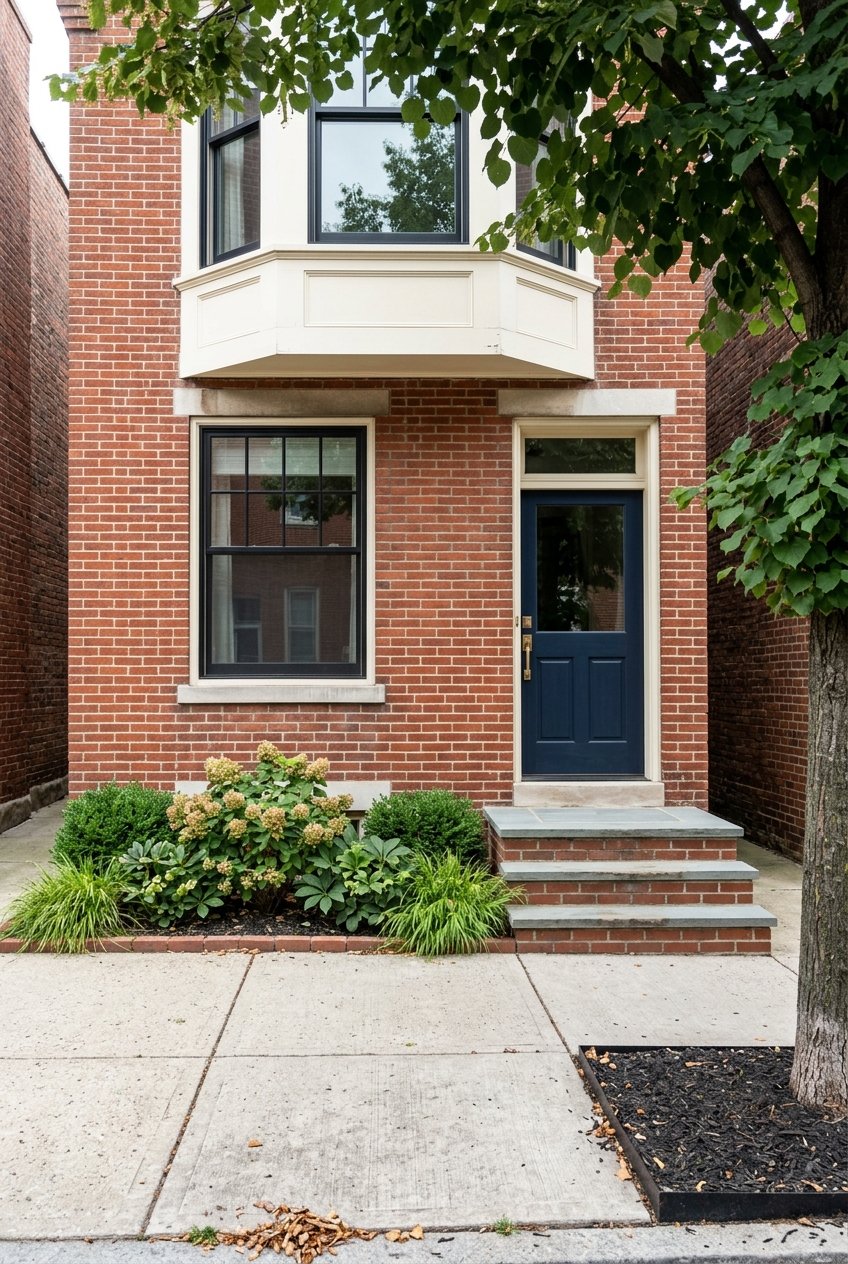
Your front stoop, porch, and façade set the tone in this walkable neighborhood. Winter is a good time for small but visible repairs. Touch up trim and railings, refresh the front door, check lighting, and address masonry tuckpointing where it shows. Clean gutters and ensure roof and porch elements are secure.
Landscaping is weather-limited in winter, but you can plan early spring plantings and remove dead growth now. Simple, tidy curb appeal performs well in dense urban blocks.
Budget and ROI guide
Use these ballpark ranges to plan. Always get local bids for accuracy.
- Cosmetic kitchen refresh: about $5,000 to $25,000
- Midrange kitchen remodel: about $25,000 to $60,000+
- Bathroom refresh: about $3,000 to $15,000
- Full bathroom remodel: about $10,000 to $30,000+
- Flooring refinishing: about $2,000 to $8,000
- Insulation and air sealing: about $1,000 to $10,000
- HVAC replacement: several thousand to $15,000+
- Exterior trim and porch repair: about $1,500 to $15,000
National remodeling studies and buyer trend data show kitchens and baths often deliver strong resale returns, with moderate, tasteful updates typically outperforming over-the-top luxury choices. In Shadyside, projects that preserve historic appeal while improving function tend to recoup more relative value.
Start with deferred maintenance and system fixes first. Buyers discount homes with roof, electrical, plumbing, or heating issues more than they discount dated finishes. For cosmetic dollars, prioritize painting, lighting, hardware, counters, fixtures, and floor refinishing. Benchmark scope and materials to recent Shadyside sales so you avoid over-improving.
For broader market context, you can review high-level buyer trend insights from the National Association of Realtors research.
Winter-to-spring timeline
Use this outline to finish comfortably ahead of spring buyer traffic.
- Weeks 1 to 2: Define scope, get multiple bids, order materials, and begin permit applications as needed. Build in lead time for appliances and specialty items.
- Weeks 3 to 8: Tackle interior work such as kitchen and bath refreshes, floor refinishing, insulation and air sealing, and HVAC service or replacement.
- Weeks 9 to 11: Complete punch-list items, deep clean, style and stage rooms, and prepare for photography.
- Aim to be fully move-in ready and photographed 2 to 4 weeks before your target list date so you can capture early spring momentum.
Weather can slow deliveries and exterior work, so include buffer time in your plan.
Permits and historic review
The City of Pittsburgh requires permits for most structural, electrical, plumbing, and HVAC work. Check requirements with the City of Pittsburgh Department of Permits, Licenses and Inspections. If your property is within a designated historic district or you plan exterior changes, consult the Pittsburgh Historic Review Commission early to understand timelines.
If you want guidance on preserving character, the Pittsburgh History & Landmarks Foundation offers resources and perspective that align well with Shadyside’s historic fabric.
Prep your listing story
Document improvements so buyers feel confident and your agent can market them clearly. Keep receipts and a written scope of work for mechanical systems, insulation, and major repairs. Save permits and final inspection documents.
Before-and-after photos help buyers visualize care and investment. If you pursue energy upgrades, keep any certificates or rebate paperwork to highlight lower operating costs.
In your listing, call out preserved original details and comfort upgrades. Buyers will notice both.
Sample project checklist
- Prioritize repairs: roof, electrical, plumbing, heating
- Plan a kitchen refresh: paint or reface, counters, backsplash, lighting
- Update baths: new vanity, fixtures, lighting, tile refresh
- Refinish hardwood floors and touch up interior paint
- Improve efficiency: attic insulation, air sealing, service or replace HVAC
- Tidy exterior: porch and trim repairs, front door refresh, lighting
- Add convenience: in-unit laundry if feasible, storage and closet systems
- Gather documents: permits, warranties, receipts, before-and-after photos
Ready to list strong
If you want a strategic plan tailored to your home, you do not have to do it alone. With deep East End expertise and a financial lens, Kate can help you target the right projects, line up trusted pros, and time your launch for maximum impact. If it fits your goals, Compass Concierge can help streamline select pre-list improvements and presentation.
When you are ready to talk scope, budget, and timing, reach out to Kate White Real Estate for a plan that balances preservation with performance.
FAQs
What adds the most value in Shadyside before spring?
- Focus on tasteful kitchen and bath refreshes, energy and mechanical updates, floor refinishing, and front porch and trim repairs that honor historic character.
How much should I budget for a kitchen refresh?
- Plan roughly $5,000 to $25,000 for paint or refacing, counters, backsplash, lighting, and selective appliances, with exact costs based on size and materials.
Do I need permits in Pittsburgh for renovations?
- Most structural, electrical, plumbing, and HVAC work requires permits, so confirm with the City of Pittsburgh Department of Permits, Licenses and Inspections.
How do I modernize without losing historic charm?
- Keep and refinish original floors and moldings, choose simple or period-friendly fixtures, and use interior storm windows or weatherstripping instead of full replacement when possible.
Are energy-efficiency upgrades worth it to buyers?
- Yes, insulation, air sealing, and updated HVAC reduce operating costs and improve comfort in older homes, which buyers value and your listing can highlight.
What winter projects can I finish before a spring listing?
- Interior painting, kitchen and bath refreshes, floor refinishing, insulation and air sealing, HVAC service or replacement, and small porch or trim repairs typically fit winter schedules.