Thinking about selling your Regent Square home this spring and wondering if you should list as-is or invest in upgrades first? You’re not alone. Older, character-filled homes in this neighborhood can shine with the right prep, but not every project pays off. In this guide, you’ll get a clear way to compare options, costs, timelines, and likely ROI so you can choose confidently. Let’s dive in.
What buyers want in Regent Square
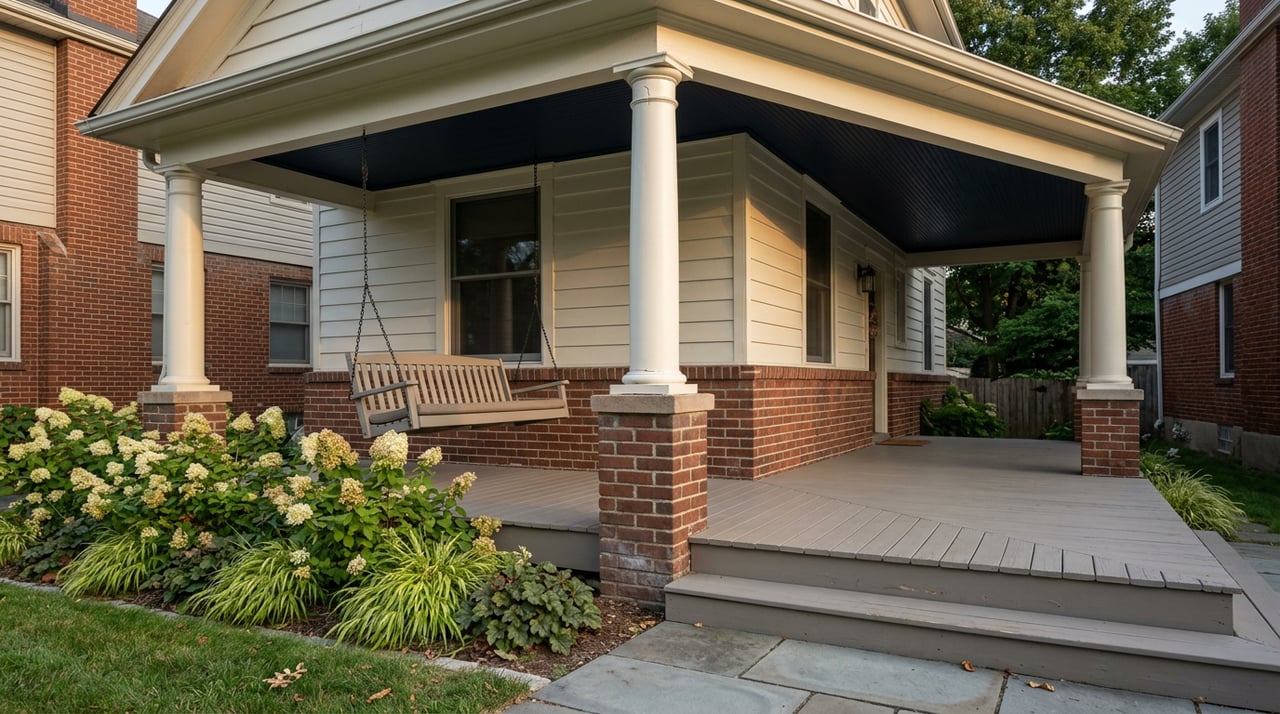
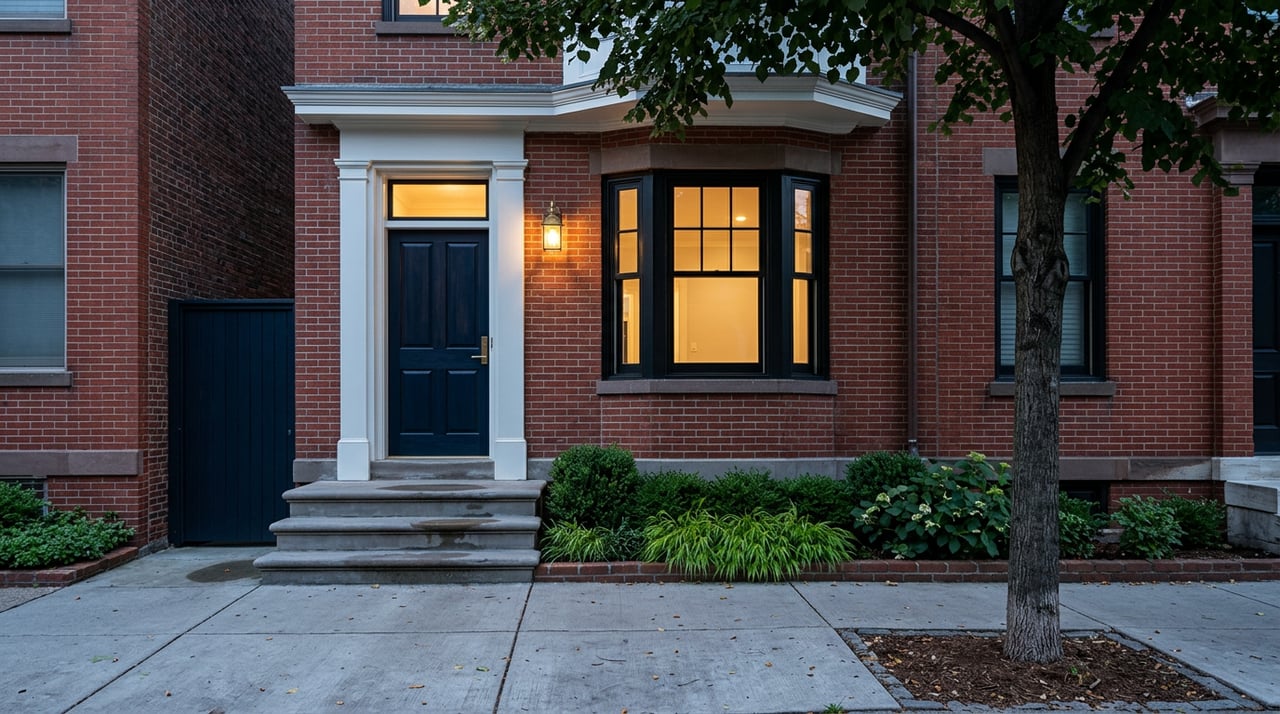
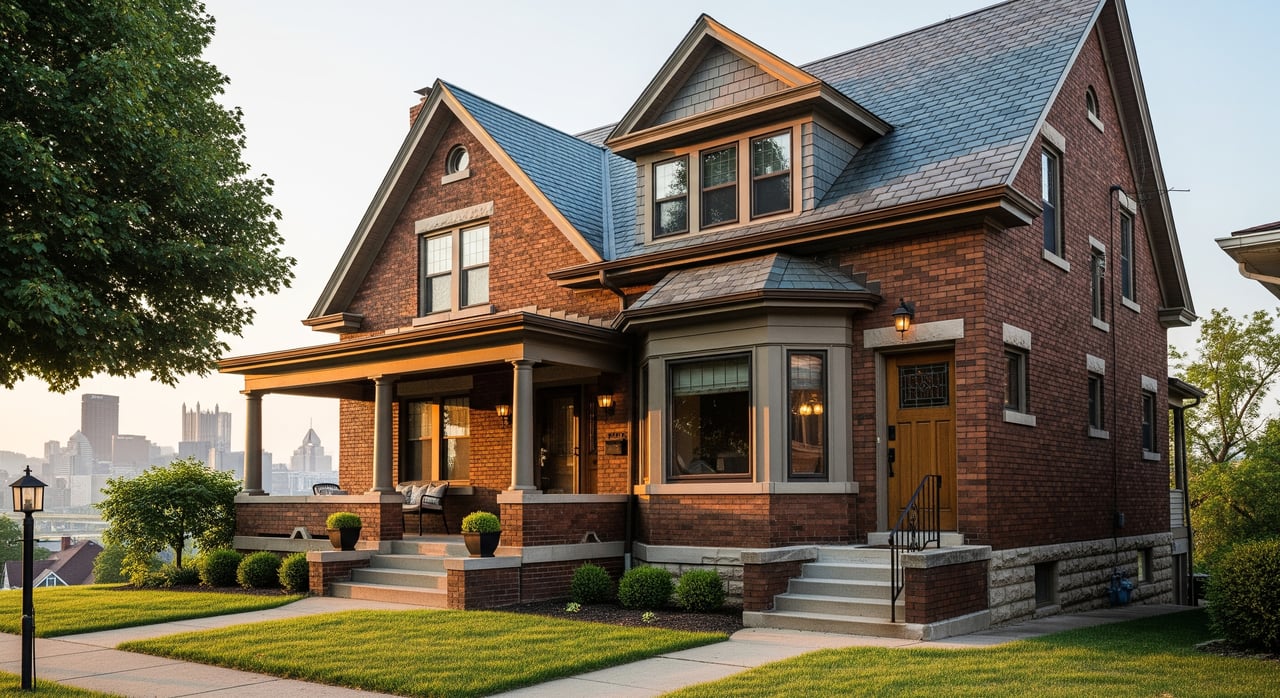
Regent Square buyers love walkability, period details, and access to nearby amenities. Many homes are early 20th century with brick exteriors, unique layouts, and varying levels of upkeep. In spring, activity typically peaks, which means more showings and faster feedback on how your home stacks up.
Expect a range of preferences. Some buyers pay a premium for turnkey updates, while others will consider homes with dated finishes if price and location align. Your condition relative to similar active and recent sales is the key driver, not perfection.
Cost and timeline basics
Light prep
- Typical scope: deep clean, declutter, minor repairs, fresh neutral paint, curb appeal, professional photos, and optional staging.
- Timeframe: about 1 to 3 weeks.
- Cost: a few hundred to a few thousand dollars. Staging can range from a few hundred to several thousand depending on scope.
Cosmetic updates
- Typical scope: new flooring, kitchen refreshes like painted cabinets and new counters or appliances, updated bath fixtures or vanities, and systems tune-ups.
- Timeframe: roughly 3 to 8-plus weeks, depending on contractor availability.
- Cost: several thousand to tens of thousands, depending on choices and scope.
Heavy renovation
- Typical scope: full kitchen or bath gut, structural changes, major mechanical replacements, roof, or extensive electrical or plumbing.
- Timeframe: often 8 to 16-plus weeks.
- Cost: frequently tens of thousands and up, potentially six figures.
ROI and carrying costs
Not every dollar spent returns a dollar at resale. Targeted, high-impact projects and strong presentation often have better near-term ROI than full gut jobs. Longer projects bring higher carrying costs for mortgage, taxes, utilities, and insurance, so factor those into your net proceeds.
How to decide: a simple framework
- Get a local CMA focused on Regent Square comps by condition and price tier.
- Order a pre-listing inspection or contractor walk-through to flag safety and major system issues.
- Compare net proceeds for each path: expected price uplift minus project costs, staging, and carrying costs.
- Weigh your timing, risk tolerance, and the spring activity level.
When sell as-is works
- Major systems function and there are no immediate safety or code issues.
- The cost of updates likely exceeds the price uplift.
- You value speed, simplicity, or want to avoid renovation risk.
- Comps show buyers accept homes in similar condition.
When light prep wins
- The home has good bones, but finishes feel dated or spaces are cluttered.
- You want to list quickly for spring while maximizing showability.
- A small budget for paint, repairs, landscaping, pro photos, and staging can boost buyer interest.
When renovation makes sense
- Safety or finance blockers exist, such as failing HVAC, significant electrical concerns, or roof leaks. Address these first to widen the buyer pool.
- The home can credibly move into a higher price tier where renovated comps earn a clear premium.
- You have the budget, timeline, and appetite for execution risk.
Real-world scenarios
Scenario A: Quick spring sale
The home is livable with older kitchens and baths, and mechanicals are OK. Choose light prep with neutral paint, repairs, curb appeal, professional photos, and strategic staging. This path typically offers the best speed-to-market and solid ROI in an active spring market.
Scenario B: Deferred maintenance
There are signs of roof leaks, mold, or failing mechanicals that could limit financing. Focus on necessary repairs to make the home safe and financeable, then consider staging and list. Avoid optional aesthetic projects that likely will not be recouped.
Scenario C: Upside to a higher tier
You have a unique lot or layout near renovated homes that command higher prices. Get firm estimates and a net proceeds analysis. Proceed with a larger renovation only if expected uplift clearly exceeds costs and timeline risk; otherwise list as a well-priced renovation opportunity.
Permits, safety, and health
Many Regent Square homes predate 1978. If your home is in that category, understand lead-based paint disclosure rules and lead-safe work practices for any renovation that disturbs painted surfaces. Older properties can also reveal hidden issues like outdated wiring or older plumbing.
Confirm permit needs for structural, electrical, plumbing, or major mechanical work with the City of Pittsburgh. Unpermitted work can complicate resale and financing. Build a 10 to 30 percent contingency into any renovation budget to cover surprises.
Your pre-listing checklist
Immediate steps (0 to 2 weeks):
- Ask a Regent Square-focused agent for a CMA by condition tier.
- Get a pre-listing inspection or contractor walk-through to flag safety and major system items.
- Secure at least two contractor estimates for any work you are considering, with timelines and permit needs.
- Check your property’s permit history with the city.
- Confirm lead paint implications if your home predates 1978.
If choosing light prep and staging:
- Declutter, deep clean, apply neutral paint in key rooms.
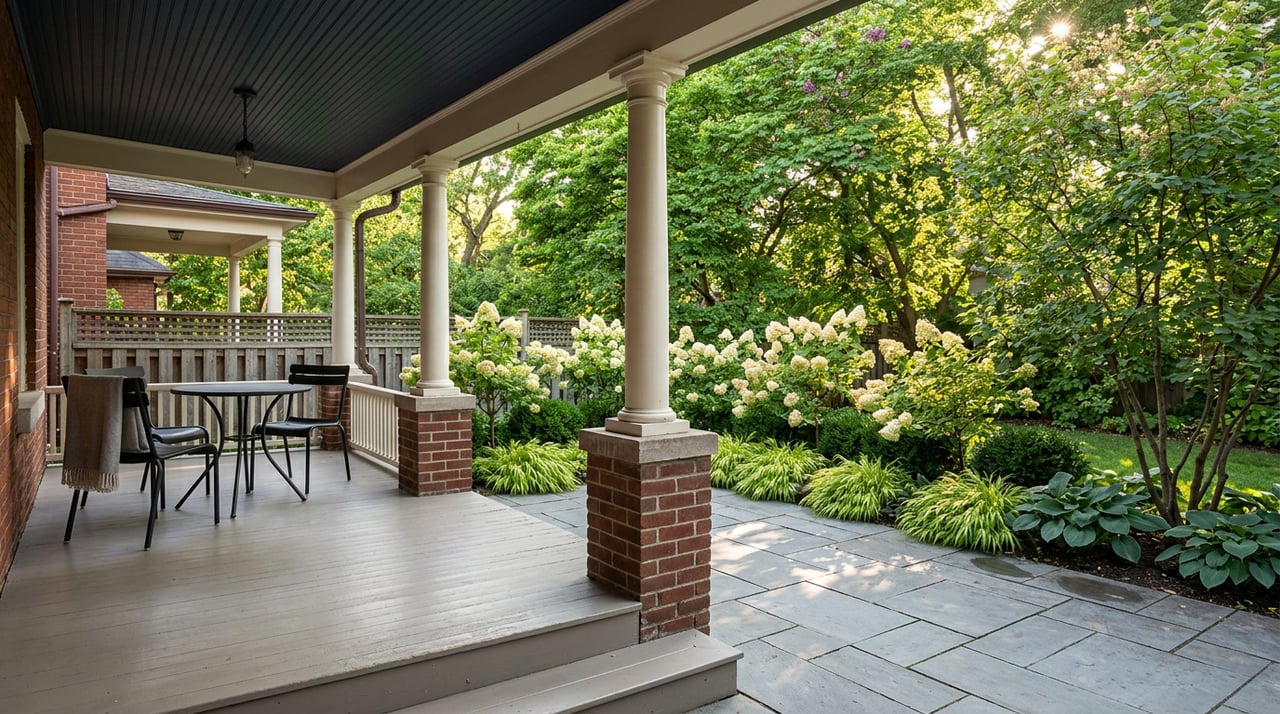
- Handle small repairs, update lighting, and tidy landscaping.
- Book professional photography and decide on partial or full staging.
- Prioritize kitchen, primary bath, living room, and entry.
If choosing renovation:
- Get written estimates and add a 10 to 30 percent contingency.
- Confirm permits and include permit timing in the schedule.
- Ensure financing and carrying costs are covered, and build a buffer before your target list date.
- Consider phasing: fix safety and loan blockers first, then cosmetic items if time allows.
Questions to ask pros:
- Agent: How do comps by condition perform this spring, and what uplift do staged homes earn locally?
- Contractor: What hidden issues are common in homes of this age, and what is the timeline and contingency plan?
- Inspector: Which items are safety or loan blockers versus cosmetic?
- Stager/Photographer: What scope will move the needle in this price tier?
Documents to collect:
- Inspection reports, estimates, permits, receipts, maintenance and utility records, and required disclosures.
Pricing and marketing strategy
If selling as-is
Be transparent in disclosures and price competitively against similar-condition comps. Consider buyer credits where appropriate to address known issues. Market to both investors and owner-occupants who plan to renovate.
If light prepping and staging
Lean into turnkey convenience and lifestyle. Highlight small improvements, strong photography, and walkability. In spring, well-presented homes often see more showings and stronger offers.
If renovating
Document improvements and permits. Price in line with renovated comparables. Present a cohesive, move-in-ready story to capture buyers who want character plus modern function.
Bottom line for spring sellers
In Regent Square, light prep and thoughtful staging often deliver the best balance of cost, timeline, and return for a spring listing. Sell as-is when repairs will not pencil out or speed matters most. Reserve larger renovations for clear, data-backed opportunities where uplift exceeds risk.
Ready to compare net proceeds for your home and craft a spring plan? Reach out to Kate White Real Estate for a Regent Square CMA, prep strategy, and premium marketing that puts your goals first.
FAQs
What does “sell as-is” mean in Regent Square?
- You list the home in its current condition, disclose known issues, and price against similar-condition comps without committing to repairs.
How much does light prep and staging cost locally?
- Expect a few hundred to a few thousand dollars for prep, plus a few hundred to several thousand for staging, depending on scope and home size.
Will a major renovation before listing pay off?
- Only sometimes. Larger projects often take 8 to 16-plus weeks and may not recoup 100 percent of cost, so confirm uplift with a CMA and estimates.
Do I need permits for pre-sale work in Pittsburgh?
- You likely need permits for structural, electrical, plumbing, and major mechanical work. Always confirm with the City of Pittsburgh before starting.
What about lead paint in older Regent Square homes?
- Homes built before 1978 may have lead-based paint. Use lead-safe practices for renovations that disturb paint and provide required disclosures when selling.